
Chugai Pharmaceutical × Roche Diagnostics toward deeper Co‑Creation beyond corporate boundaries— Uniting Pharmaceuticals and Diagnostics
- DX
- Event
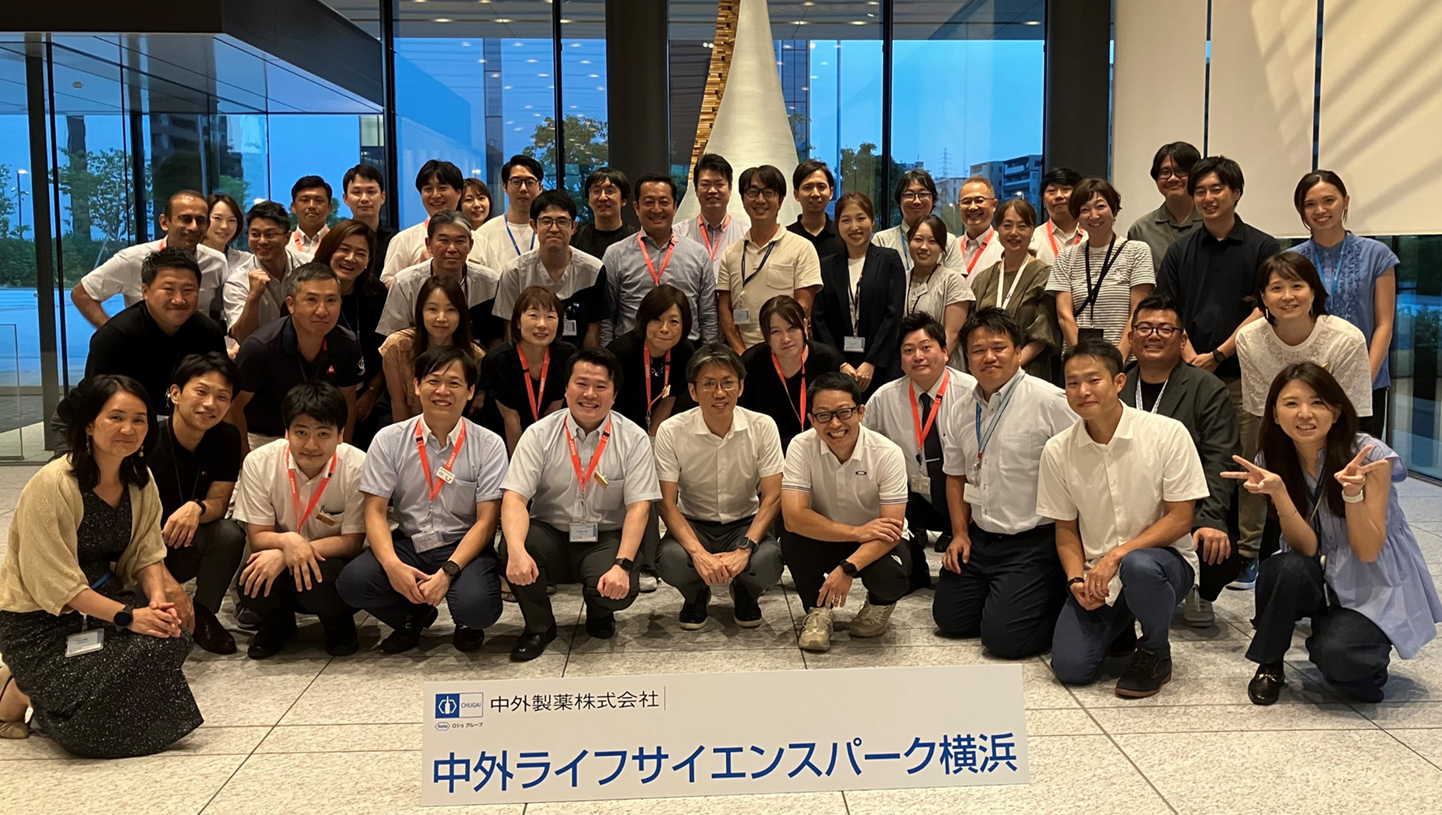


Chugai Pharmaceutical Co., Ltd. and Roche Diagnostics K.K. (hereinafter “RDKK”)—two companies active in different fields, pharmaceuticals and diagnostics—held a workshop with the aim of exploring new areas of co‑creation. In this article, members from both companies who were involved in planning and operating the workshop share their thoughts extensively, from the background behind the event and the atmosphere on the day itself to their future outlook.
*Reproduced from Chugai Pharmaceutical’s official Note page (https://note.chugai-pharm.co.jp/) Article details and employee positions are current as of January 2026
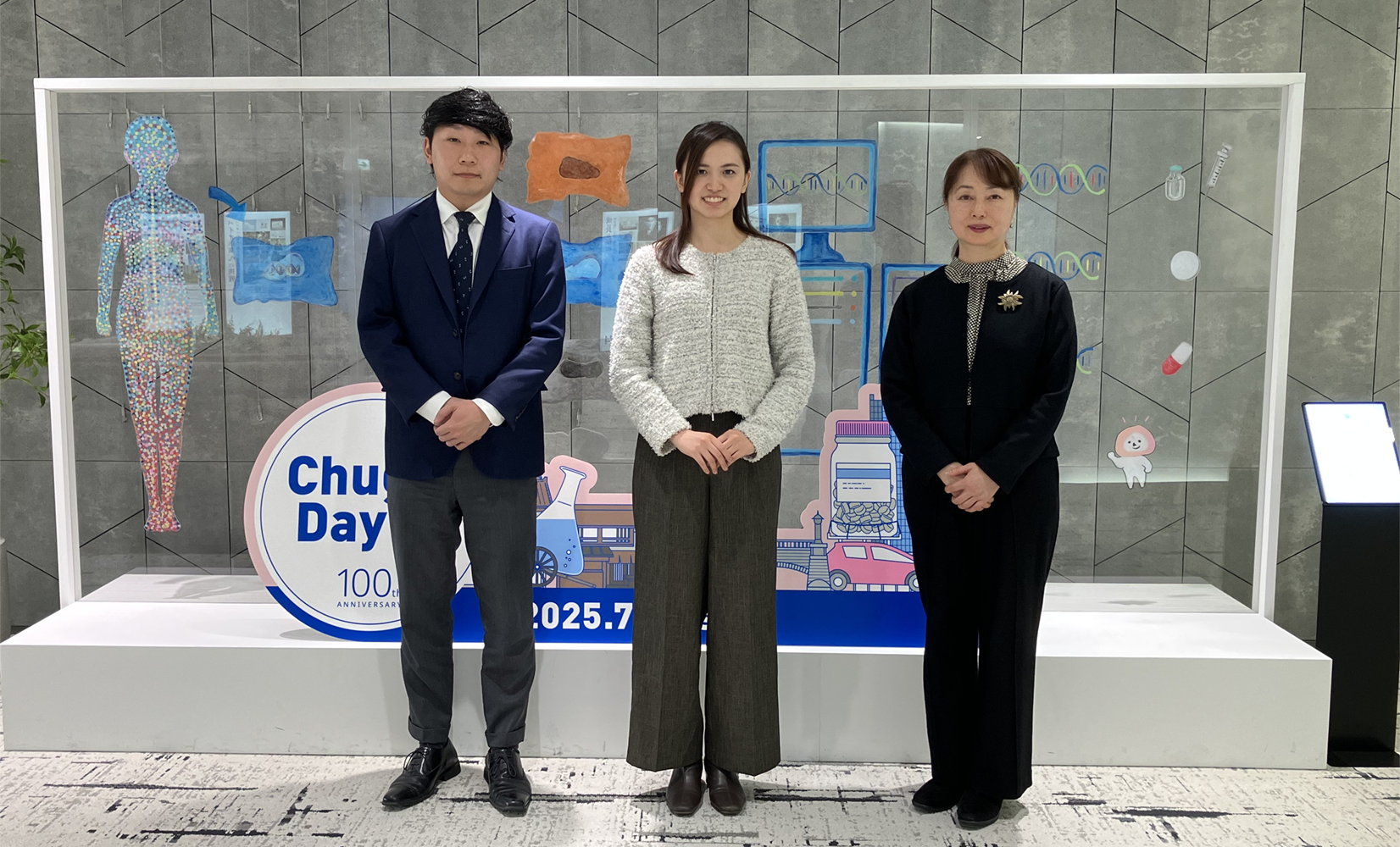
Participant Profile
Inoue (Medical Affairs, Specialty Medical Science Department, Chugai Pharmaceutical):
Responsible for promoting the utilization of real‑world data and conducting health technology assessments. From January to December 2025, also belonged to the DXU Digital Strategy Planning Department through an internal side‑job program, where he worked on building a partner ecosystem.
(In the center of the photo above)
Muto (Roche Digital Technology, Chugai Liaison / DXU Digital Strategy Planning Department, Chugai Pharmaceutical):
Acts as a bridge between Roche and Chugai Pharmaceutical, promoting collaboration between the two companies in the digital and IT domains. Belonged to Roche Diagnostics K.K. (RDKK) from 2007 to March 2024.
(In the right of the photo above)
Ishido (Business Innovation Division, Roche Diagnostics K.K.):
Responsible for promoting new business development and collaboration with external partners in the diagnostics business. Through collaboration with Chugai Pharmaceutical, aims to create new value by integrating pharmaceuticals and diagnostics.
(In the left of the photo above)
Turning “Points” into “Planes”: Aspirations for Collaboration Connecting Diagnosis and Treatment
― What led to the decision to hold this workshop?
Inoue The starting point was a visit by members of Chugai Pharmaceutical’s DXU team to the RDKK office, where we shared our respective business strategies. Through those discussions, we realized that we had similar visions and challenges. This led to a growing expectation that by combining the strengths of both companies, we could create new forms of innovation.
Ishido If pharmaceuticals and diagnostics exist only as separate “points,” there are limits to the value that can be delivered to patients. However, we believed that by joining forces and becoming a “plane,” it would be possible to provide seamless healthcare—from diagnosis and treatment through follow‑up care.
Inoue Exactly. Rather than thinking about diagnosis and treatment as separate processes, we believed that by viewing them as a single flow, it would be possible to realize healthcare that is truly meaningful for patients. With this belief, we planned and proposed the workshop.
Ishido When the idea was first brought to us, my immediate reaction was, “This is interesting.” We had always wanted to think beyond diagnosis alone and consider the entire patient journey, including treatment. Feeling that this collaboration held great potential for both companies, we decided to move forward with holding this workshop.
Transforming Cultural Differences into Strengths
― Were there any challenges during the preparation phase?
Inoue To be honest, at first we were somewhat taken aback by the differences in corporate culture (laughs). While Chugai is a member of the Roche Group, we place great value on the careful attention to detail and meticulous approach characteristic as a Japanese company. On the other hand, RDKK has a strong sense of speed.
Ishido It’s true that at first there were moments when we found ourselves thinking, “Oh?”—for example, regarding decision‑making processes and how meetings were conducted. However, as we continued our conversations, we gradually began to see and appreciate the strengths of each other.
― Specifically, what kinds of strengths did you come to recognize?
Ishido Chugai’s careful and deliberate approach offered many valuable lessons for us. Placing importance on each individual step and continuing discussions until all stakeholders were fully aligned—this very process, I believe, is what made it possible to realize such a high‑quality workshop.
Inoue Conversely, we were helped on many occasions by the speed and agility of RDKK. Their “let’s try it first” mindset became a real driving force in moving the project forward.
― A Major Shift in the Direction of the Project
Inoue Another major challenge was making a significant change to the direction of the project partway through. Initially, we had planned to base our discussions on concrete cases, such as real‑world data from universities, thinking that this approach would be more realistic and easier to move forward with.
Ishido However, we received feedback suggesting that it would be better this time to focus on creating new areas and driving change. As a result, we decided to postpone the workshop that had been scheduled for June and rebuild the project from the ground up.
Inoue In hindsight, it turned out to be absolutely the right decision. I believe that by not limiting ourselves to purely practical discussions, and instead allowing participants to talk about dreams and passion, we were able to provide them with the enjoyment that comes from such conversations and small but meaningful experiences of success.
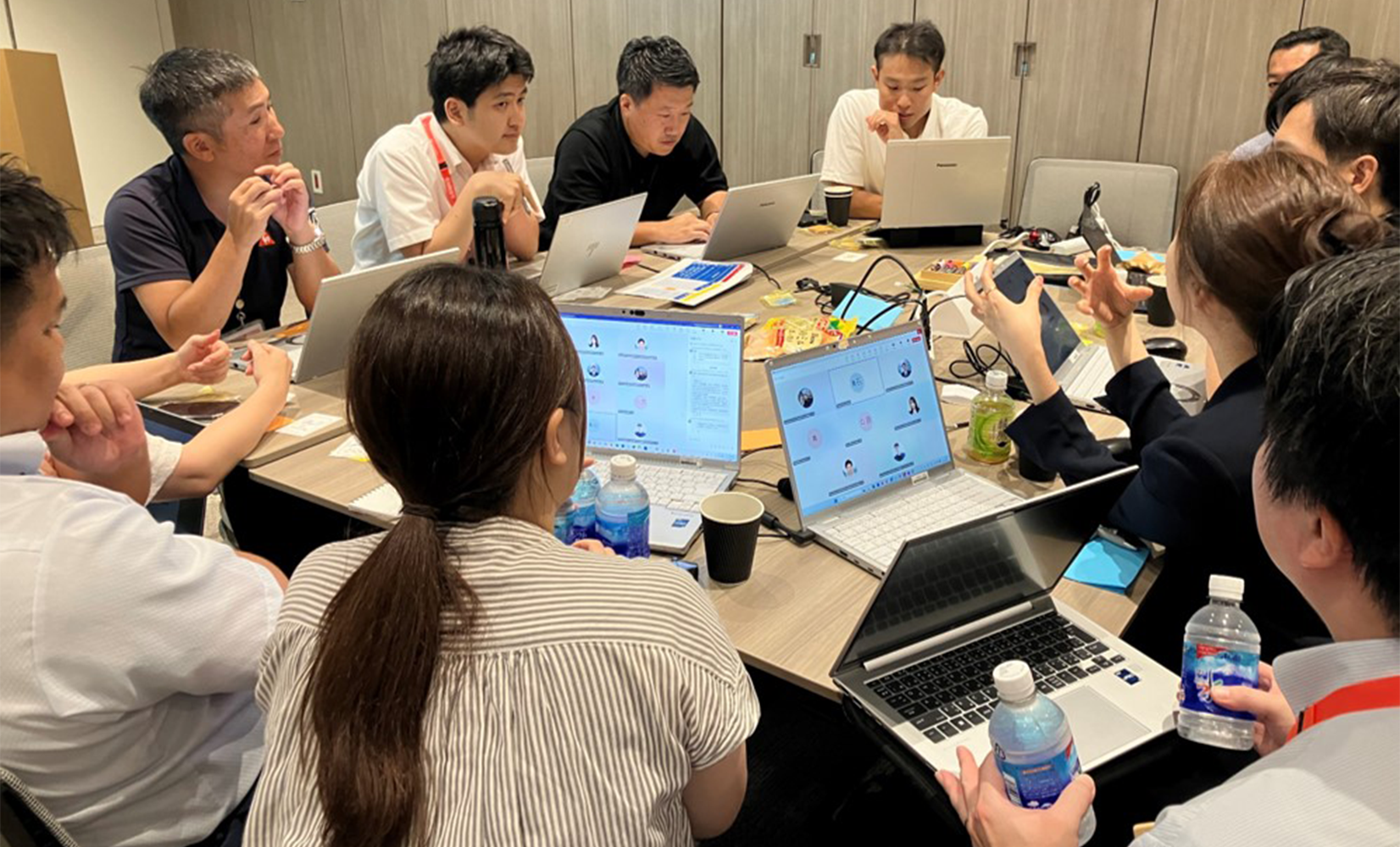
Four Hours Filled with Energy: The Day of the Workshop
― What was the atmosphere like on the day?
Muto From the moment I entered the venue, I felt a unique sense of energy. Members from both companies—with diverse backgrounds across sales, marketing, and medical functions—had gathered together. Although they usually work in different fields, on that day everyone came together with a shared goal.
Ishido It was a four‑hour workshop, but it felt like it ended in no time. The discussions were so lively that at times we almost ran over the scheduled timeframe (laughs).
― What kinds of discussions took place?
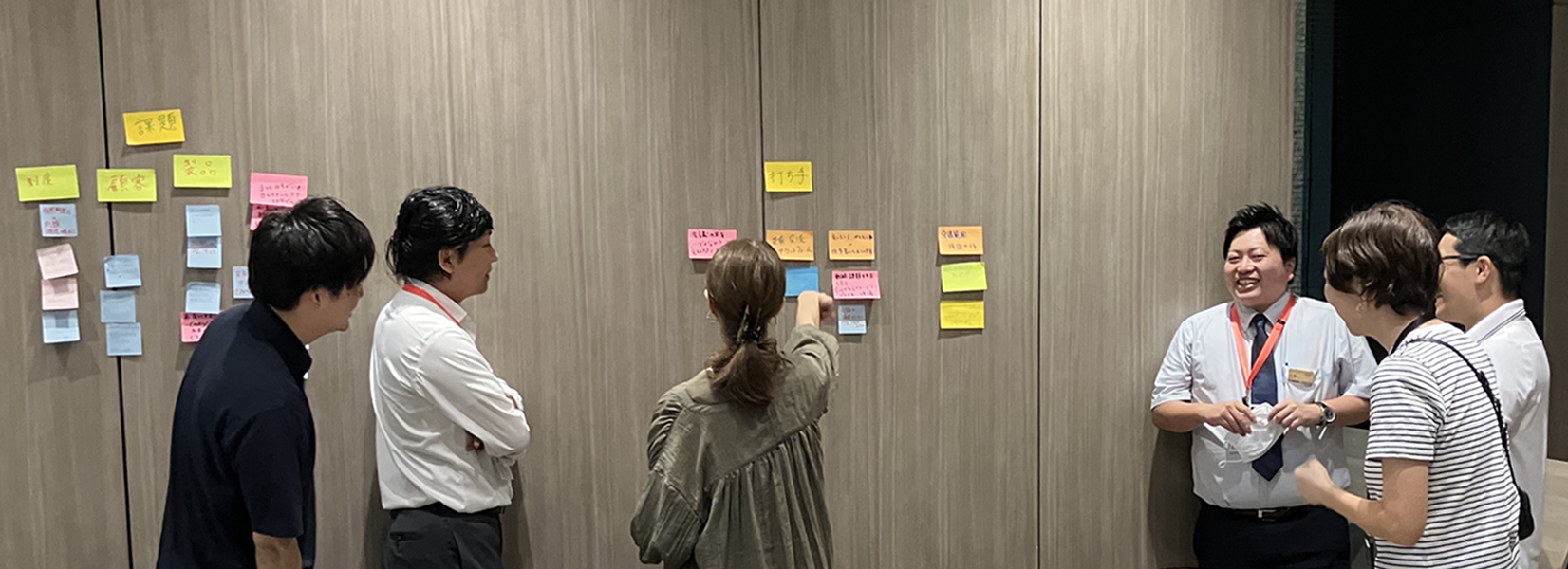
Inoue We had very in‑depth discussions around themes such as ”how to link diagnosis and treatment”, ”what information is truly necessary for patients”, and ”what kinds of systems are realistically feasible in clinical settings”.
Muto What stood out to me was that everyone shared a common focus: “for the patients.” Beyond corporate boundaries, there was a strong sense throughout the room that each participant was engaging sincerely as a healthcare professional.
― What kinds of ideas were generated?
Inoue Several concrete ideas emerged, including systems for seamless patient support from diagnosis through treatment, educational programs for healthcare professionals, and new approaches to information provision. All of these initiatives are ones that can only be realized by combining the strengths of both companies.
Muto What made me especially happy was hearing so many people say, “This really seems achievable.” I felt a strong sense of confidence knowing that these ideas were not just visionary, but ones that could genuinely be brought to life.
― Were there any new discoveries through the workshop?
Inoue I realized that we were truly sharing the same sense of challenges. For example, depending on the accuracy of diagnostic tests, there may still be patients whom Chugai’s products are not yet able to fully reach. There are also institutional constraints around the timing of testing—such as whether it should take place before or after treatment administration.
Ishido Being able to have concrete discussions around those issues—such as what is and is not possible under the current systems—was extremely valuable.
New Connections Lead to the Next Value
― What changes did you see after the workshop?
Inoue The biggest change was the connections formed between people. Even after the workshop, communication has continued between members of both companies, and conversations such as, “Couldn’t that idea be developed further in this way?” have become a regular occurrence.
Ishido I completely agree. In the past, there may have been a sense that we were “somewhat distant, even within the same group,” but now there is a strong feeling that we are partners working toward the same goal. I believe this relationship is the greatest asset we gained from this workshop.
Muto I see this collaboration as an opportunity to once again embody the Roche Group’s philosophy of ”Engaging with patients consistently from diagnosis through treatment”. While collaboration between diagnostics and pharmaceutical divisions is progressing in other countries within the group as well, being able to connect with Chugai Pharmaceutical’s strengths in drug discovery opens up the potential for a deeper level of collaboration that is rarely seen in other regions. We hope that this Japan‑originated model of collaboration will ultimately have a significant impact on patients around the world.
― How do you plan to move forward from here?
Inoue First, our priority is to turn each of the ideas that emerged from the workshop into reality, one by one. Some projects have already begun to move forward.
Ishido We would also like to expand this initiative into other disease areas. If this collaborative model becomes an industry‑wide standard, I believe it will allow us to deliver value to many more patients.
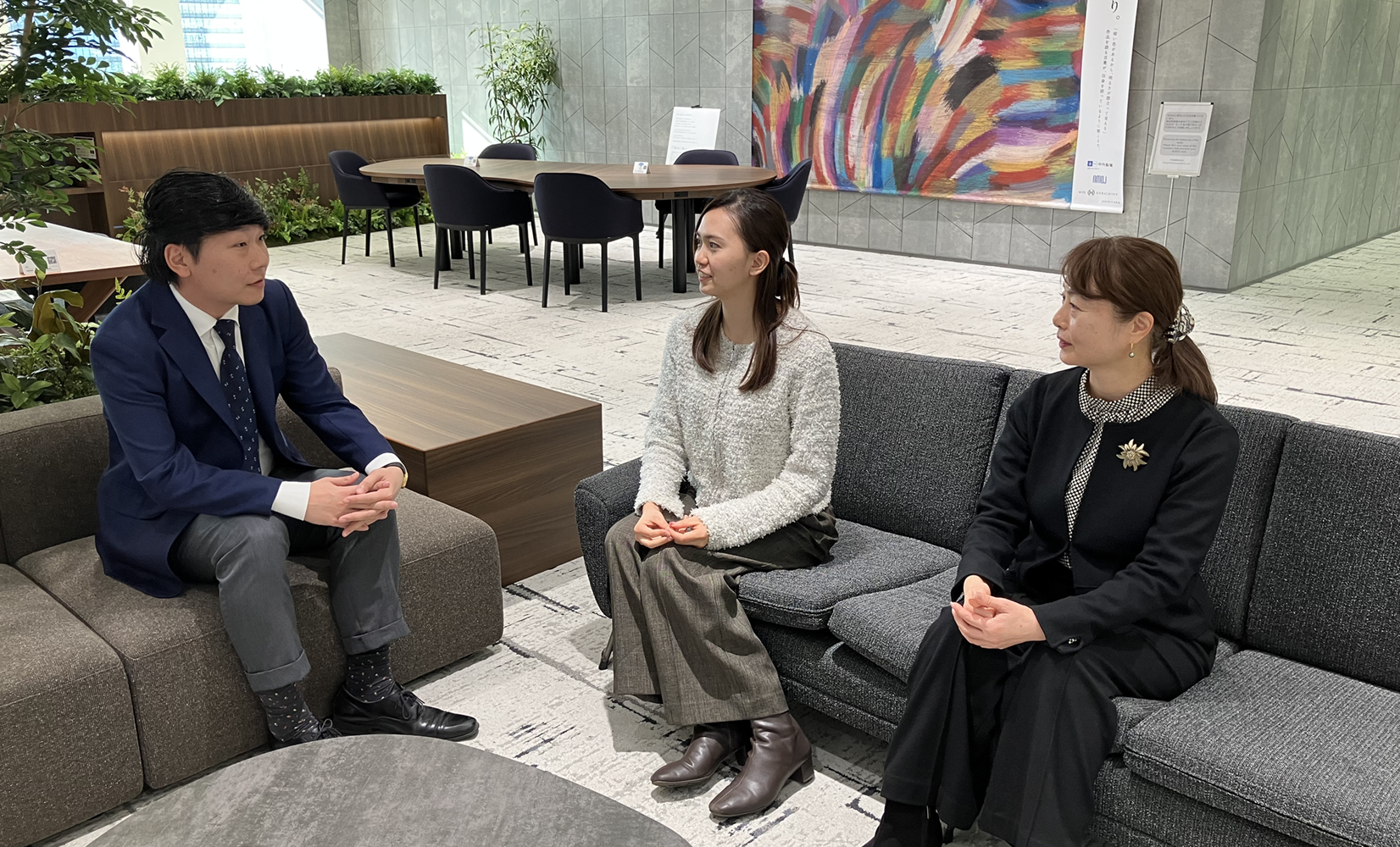
The Challenge of Turning “Points” into “Planes” Has Only Just Begun
Ishido This workshop was not the goal—it was the starting point. Our effort to turn pharmaceuticals and diagnostics from individual “points” into a “plane” has only just begun. Beyond that lies a future of healthcare that is better for patients. We would be delighted if you would continue to support our challenge.
Inoue Continuing to ask what we can do for patients beyond corporate boundaries—that is our mission. We hope that this collaboration will become a model case for the industry as a whole.
Related Stories
-
Breaking Through Drug Discovery's Computational Challenge: Chugai's Path Toward Practical Quantum Computing
Drug discovery is a complicated process of identifying the most promising clinical candidates from an enormous number of molecular combinations. Improving...
- Innovation
- R&D
- DX
-
Taking on the Challenge of “Co-Creation” and “Personalized Medicine”: An Interview with Chugai’s SaMD Development Team
Chugai is advancing its efforts to realize personalized medicine—delivering optimal treatment tailored to each individual patient—by exploring...
- DX
-
Transforming Bioprocesses Through the Use of AI: A Challenge Driven by Collaboration Between Data Scientists and Bioprocess Researchers
Bioprocessing is a method of producing active pharmaceutical ingredients for biopharmaceuticals using living cells and microorganisms, and it plays a...
- Innovation
- R&D
- DX