
Taking on the Challenge of “Co-Creation” and “Personalized Medicine”: An Interview with Chugai’s SaMD Development Team
- DX


Chugai is advancing its efforts to realize personalized medicine—delivering optimal treatment tailored to each individual patient—by exploring not only pharmaceuticals, but also the development of Software as a Medical Device (SaMD). SaMD leverages software technologies such as AI to support improvements in the accuracy of diagnosis and treatment. In particular, diagnostic support using AI‑based image analysis is an area that requires insights and speed distinct from those of conventional pharmaceutical development.
In this note article, three key members of the SaMD development team within Chugai’s PHC (Personalized Healthcare) Solutions Unit share what they have learned through co‑creation with tech startups, as well as the unique value and rewards of collaboration across different fields.
*Reproduced from Chugai Pharmaceutical’s official Note page (https://note.chugai-pharm.co.jp/). Article details and employee positions are current as of July 2025.
Participants’ Profiles
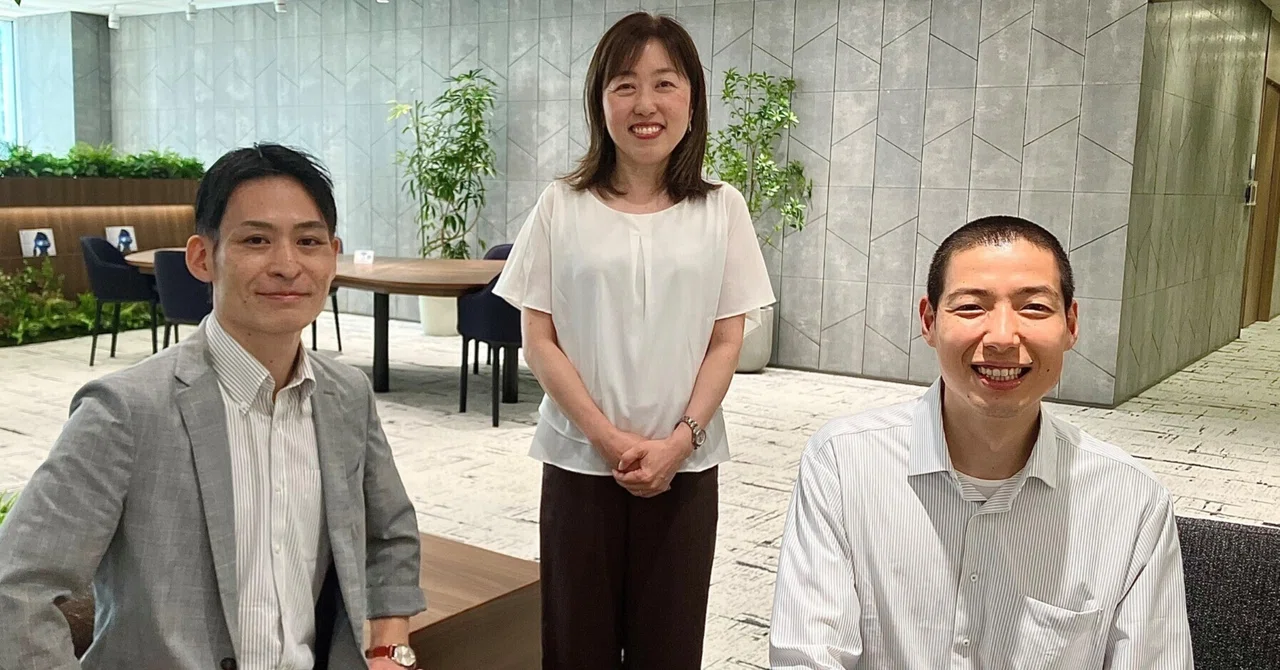
Kugimoto Takanori (Top image, left)
Conducted research in the field of applied physiology at university. After joining Chugai, gained experience across sales and medical functions, and later moved into the new business domain, where he leads SaMD development projects end‑to‑end. He specializes in strategy development for integrating imaging analysis—particularly image‑based analytics—with pharmaceutical businesses.
Tanaka Masanori (Top image, right)
Studied accounting at university and subsequently worked in system development at a systems company. At Chugai, was involved in electronic regulatory submissions for pharmaceutical approvals and the development of electronic submission infrastructure. Currently serves as a project manager in the PHC Solutions development organization, primarily responsible for meeting coordination, overall project progress management, and logistics planning.
Kobayashi Sumiko (Top image, center)
A licensed pharmacist with extensive regulatory development experience at a medical device manufacturer, covering the entire process from clinical trials to product launch, including Class IV active and non‑active implantable medical devices. At Chugai, handles regulatory affairs for SaMD and selected pharmaceuticals, supporting projects by leveraging her deep expertise in medical device regulation.
New Possibilities in Healthcare Unlocked by SaMD Development
Kugimoto AI-based diagnostic support software refers to AI software that analyzes medical images—such as X‑ray, CT, and pathology images—to support physicians’ diagnoses. By visualizing subtle changes that are difficult to detect with the naked eye and applying advanced predictive techniques based on large volumes of data, AI is significantly expanding the possibilities of healthcare.
We believe that by combining pharmaceuticals and SaMD, it will be possible to deliver optimal treatment tailored to each individual patient not only in oncology—one of Chugai’s areas of strength*—but also across other specialty areas such as bone and joint diseases, autoimmune diseases, renal diseases, neurological disorders, and beyond.
*Chugai’s strengths and areas of focus:
What kind of company is Chugai?
Tanaka SaMD development has the potential to create new value for patients, healthcare professionals, and society as a whole. For example, AI-based diagnostic support software can help enable earlier disease detection and improve diagnostic accuracy by assisting physicians in their decision‑making.
For pharmaceutical companies, SaMD development requires skills and mindsets that differ from those needed for traditional drug development, and building collaborative frameworks both inside and outside the organization presents a major challenge. At the same time, through SaMD development, internal expertise and organizational capabilities are also evolving.
Kobayashi The development of SaMD that interprets medical images is already active in Japan for modalities such as X‑ray and CT imaging. However, what we are currently challenging ourselves with also includes SaMD for pathology image analysis—an area where there are still no precedents in Japan. If this is realized, it could help reduce the burden on healthcare professionals and patients, standardize diagnostic quality, and open up new pathways for healthcare in Japan.
Key Characteristics and Challenges of SaMD Development Compared with Pharmaceutical Development
Tanaka First, the development flow is fundamentally different. Pharmaceutical development—from basic research and non‑clinical studies through clinical trials and regulatory approval—typically requires more than ten years and enormous investment.
In contrast, SaMD can leverage the nature of software to enable agile development, allowing flexible and rapid, iterative improvement over a shorter time frame. For example, prototypes can be developed in cycles of just a few months, refined repeatedly based on feedback. In addition, SaMD may require updates even after regulatory approval, making a flexible development structure and a mindset shift toward a life cycle different from that of pharmaceuticals essential.
Given the extremely rapid pace of AI technology advancement, we are constantly seeking optimal approaches without being constrained by conventional thinking.
Kobayashi Regulatory frameworks and required standards also differ between pharmaceuticals and medical devices. Because SaMD is an intangible software product, it offers a high degree of development freedom, but at the same time, it can be challenging to clearly define the end goal.
For example, it is necessary from the early stages of development to determine how far functionality should be implemented and what kind of clinical value needs to be demonstrated.
Kugimoto For this reason, we establish a “master development scenario”—a guiding principle that clarifies the overall direction of the project—so that everyone involved, both inside and outside the company, can work toward the same goal.
This master scenario serves as a development compass, clearly defining when, for whom, how the SaMD will be used, and what value it will deliver. When we encounter difficulties, returning to this scenario allows us to stay focused on creating essential value.
The Value That Regulatory Strategy Brings to SaMD Development.
Kobayashi To bring a software medical device such as SaMD to market in Japan, it is first essential to clearly define its clinical positioning and demonstrate this scientifically. In other words, we must clarify how the product will be used in clinical practice and what role it will play, and then properly demonstrate its usefulness and safety.
Determining how to achieve this scientific validation is the role of regulatory affairs. From a strategic perspective, it is necessary to consider what kinds of data—such as those for technical evaluation—need to be collected to complete the pieces required to realize the product. In particular, SaMD requires a flexible, experience‑based regulatory strategy, as the optimal development approach differs from product to product.
My role is to support product development that satisfies regulatory requirements while also being viable as a business. For example, I examine various options, such as how much evaluation data is necessary and for which intended use regulatory approval can be obtained most efficiently.
Kugimoto By having regulatory experts embedded within the development team and establishing a structure that allows for constant collaboration, we can incorporate regulatory requirements into the design from the very early stages of development. This is extremely important, as it significantly reduces the risk of requiring major revisions at a later stage. In addition, smooth communication with regulatory authorities is a major strength of this approach.
Tanaka Regulatory strategy also has a significant impact on development plans and resource allocation. In particular, the business models for pharmaceuticals and SaMD differ greatly. Pharmaceutical development typically involves large investments over long development timelines, aiming for substantial returns. In contrast, SaMD generally requires lower development costs, progresses at a faster pace, and has a different scale of return.
With these differences in mind, it is critical to determine from an early stage how much functionality to implement and what kind of clinical value should be demonstrated.
Innovation Driven by Co‑Creation with Tech Startups
Kugimoto In co‑creation with tech startups, we place great importance—on both sides—on factors such as understanding of the development domain, alignment with core businesses, and the passion and character of the individuals involved.
First, regarding understanding of the development domain: developing SaMD requires highly specialized knowledge, including an understanding of the target diseases, diagnostic and treatment workflows, as well as imaging acquisition procedures and analysis technologies for medical images used in those diseases. We believe that truly innovative products can only be created when our expertise in pharmaceuticals and disease knowledge is combined with the advanced technical capabilities of our technology partners.
In addition, when a partner company’s core business aligns well with our development themes, it becomes possible to establish a win‑win co‑creation framework that respects both parties’ strategic intentions and business growth. For example, companies whose core business lies in X‑ray or CT image analysis and those specializing in pathology image analysis differ significantly in their expertise, level of commitment to development projects, and pride in their technologies. By integrating such partners’ core businesses and core technologies with our own knowledge of the development themes, we are able to pursue product development that fully leverages the strengths of both sides.
Finally, I believe that the personality and passion of the individuals involved are also extremely important in co‑creation. In new business initiatives, we often face unprecedented challenges and difficulties, and there are times when morale can falter. When pursuing approaches that go beyond conventional frameworks, past experience and success cases may not always serve as useful references, and it can be difficult to determine the right criteria for decision‑making. In particular, feasibility and monetization are often questioned, which can lead to a tendency to focus first on reasons why something cannot be done.
When facing such challenges, passion and mutual trust are indispensable for continuously seeking solutions together, pushing forward toward the shared goal of contributing to healthcare, and ultimately overcoming obstacles.
Tanaka Startups and pharmaceutical companies often have different corporate cultures and values. My impression is that startups tend to make decisions quickly and are more willing to take risks and challenge new ideas, whereas pharmaceutical companies place a strong emphasis on quality and risk management and tend to proceed with caution.
For organizations with such different cultures to move toward a single goal, it is essential to begin by understanding each other’s circumstances and values. In particular, differences in decision‑making speed and approaches to prioritization must be acknowledged, and a clear shared goal must be established while respecting both perspectives.
As a project manager, I place the greatest importance on creating an environment in which everyone can perform at their best, transcending internal and external boundaries. I believe that innovation emerges when we respect each other’s expertise and work together as one team to solve problems. In actual projects, balancing speed and quality is a major challenge. My role is to create an environment where decision‑making can be accelerated to match the speed of startups, while never compromising on the necessary standards of quality and risk management.
Kobayashi Especially in medical device development, responding to regulatory requirements often represents a major hurdle. For startups, complying with regulations and conducting necessary evaluations can feel like a heavy burden in the process of bringing a product to market as a medical device.
That is why I focus on discussing why certain regulatory steps are required and how they can be addressed efficiently, working together to ensure the necessary levels of quality and safety. In particular, Japan’s medical device regulations can be difficult to interpret for startups, as regulatory requirements are sometimes hard to extract from official notifications or are described only at a very high level. We therefore work closely together to ensure smooth interpretation and implementation of regulatory requirements.
I believe that approaching regulatory compliance not merely as a “task that must be done,” but as a shared process toward delivering a valuable product to society, is essential to the success of the project.
Opening Up the Future Through Co‑Creation
Tanaka Through challenging new endeavors, I have learned that building trust is more important than anything else. Precisely because setting clear goals can be difficult, trust forms the foundation of collaboration. By deeply understanding each other’s strengths, we hope to continue creating better products together.
Kobayashi We have gained many valuable insights through partnerships between a large company and startups. I have strongly felt the importance of working together with mutual respect. Going forward, I would like to continue exploring how regulatory expertise can contribute to the creation of new medical value.
Kugimoto From the early stages of development through to projects aimed at real‑world implementation, we are pursuing the potential of SaMD to deliver innovative value to patients and healthcare professionals. To bring the new value created through co-creation to clinical practice, we are committed to cherishing trust with our partner companies, integrating expertise from both inside and outside the organization, and continuing to take on challenges with passion.
The belief that sustains my passion is to think about “What we should do now for future generations and children yet to be born.”
At Chugai’s PHC Solutions Unit, we aim to realize optimal healthcare globally by delivering innovative PHC solutions. Members from diverse backgrounds work with passion in collaboration with partners from different industries, taking on the challenge of creating new value.
Related Stories
-
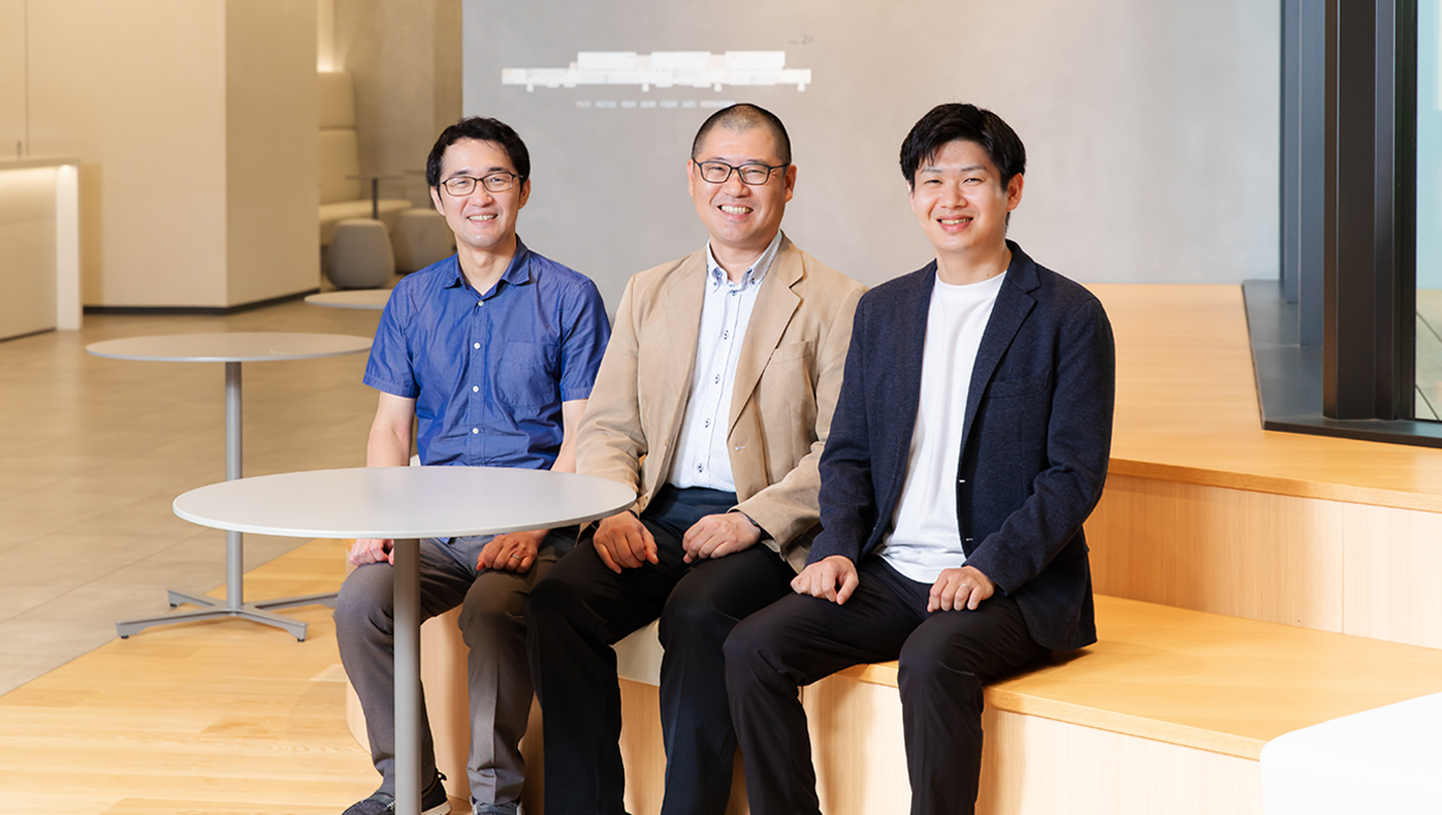
Breaking Through Drug Discovery's Computational Challenge: Chugai's Path Toward Practical Quantum Computing
Drug discovery is a complicated process of identifying the most promising clinical candidates from an enormous number of molecular combinations. Improving...
- Innovation
- R&D
- DX
-
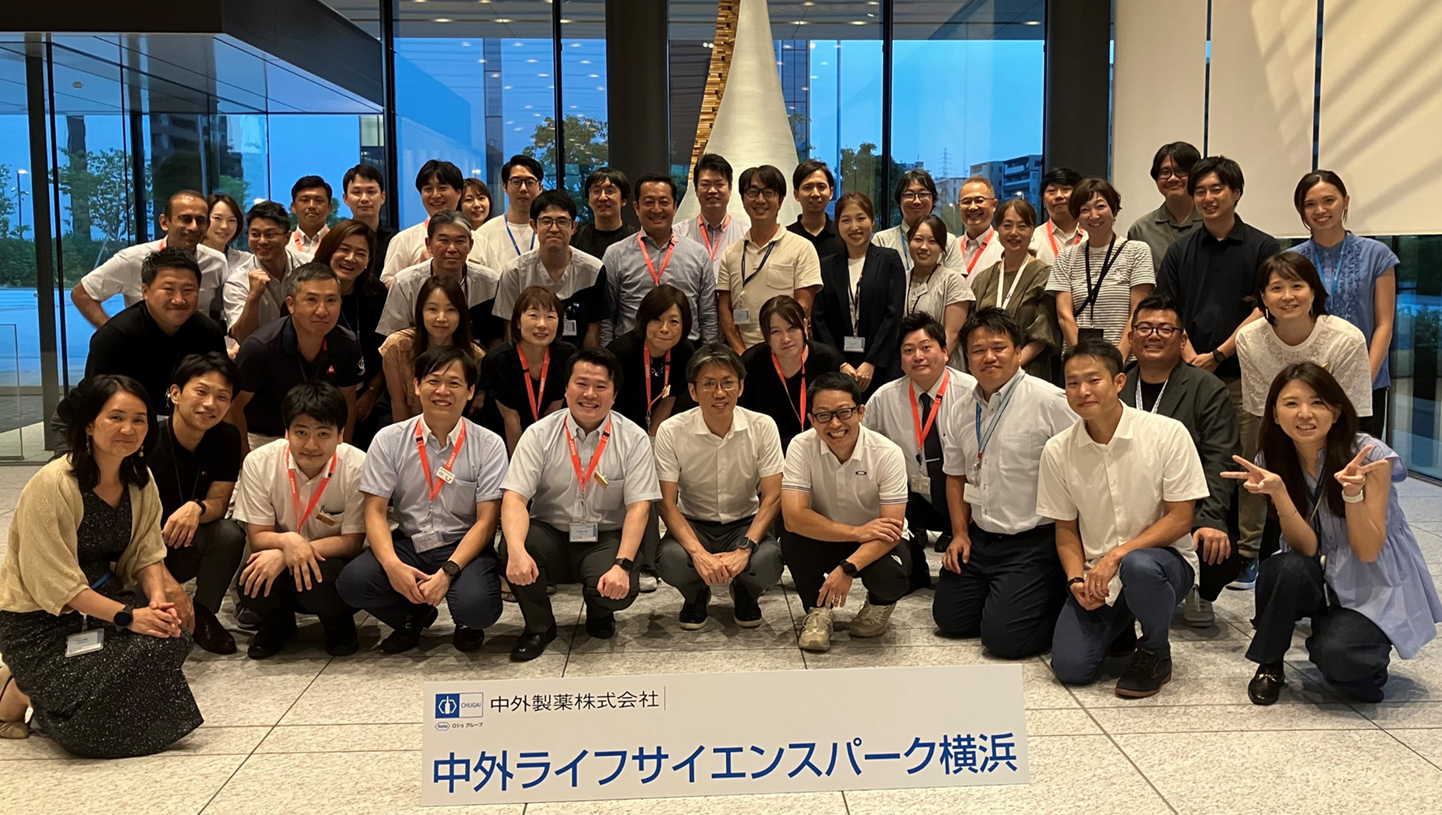
Chugai Pharmaceutical × Roche Diagnostics toward deeper Co‑Creation beyond corporate boundaries— Uniting Pharmaceuticals and Diagnostics
Chugai Pharmaceutical Co., Ltd. and Roche Diagnostics K.K. (hereinafter “RDKK”)—two companies active in different fields, pharmaceuticals...
- DX
- Event
-
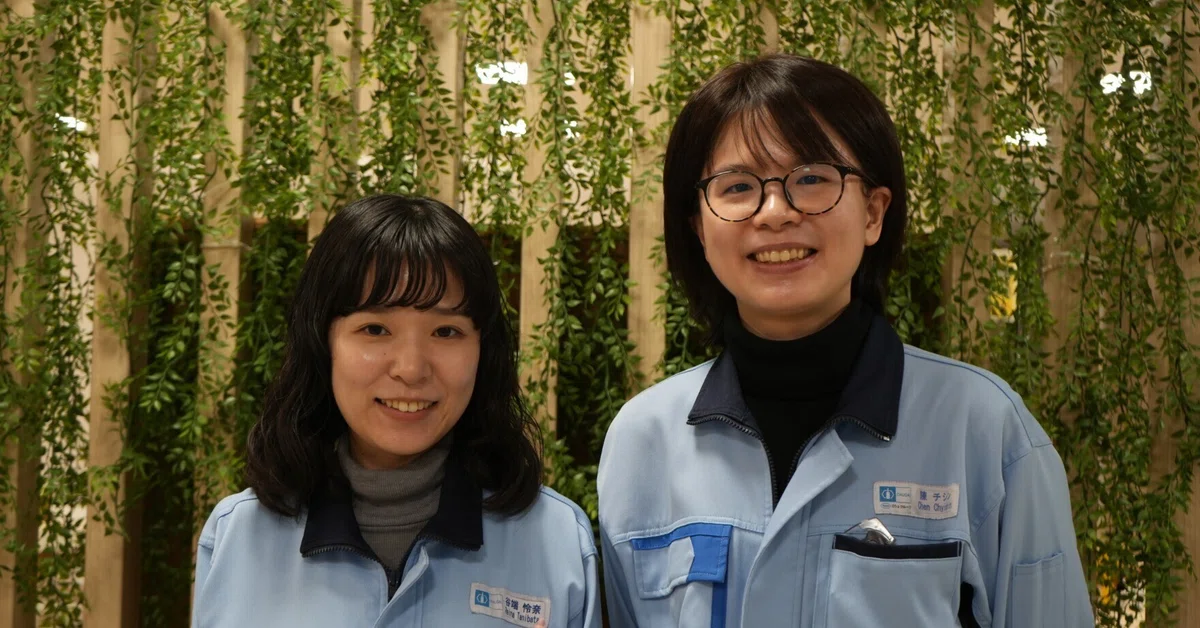
Transforming Bioprocesses Through the Use of AI: A Challenge Driven by Collaboration Between Data Scientists and Bioprocess Researchers
Bioprocessing is a method of producing active pharmaceutical ingredients for biopharmaceuticals using living cells and microorganisms, and it plays a...
- Innovation
- R&D
- DX