
Creating New Forms of Patient Contribution Through Real‑World Data: How the Drug Safety Division Is Leading the Way
- R&D
- DX
- Sustainable Healthcare
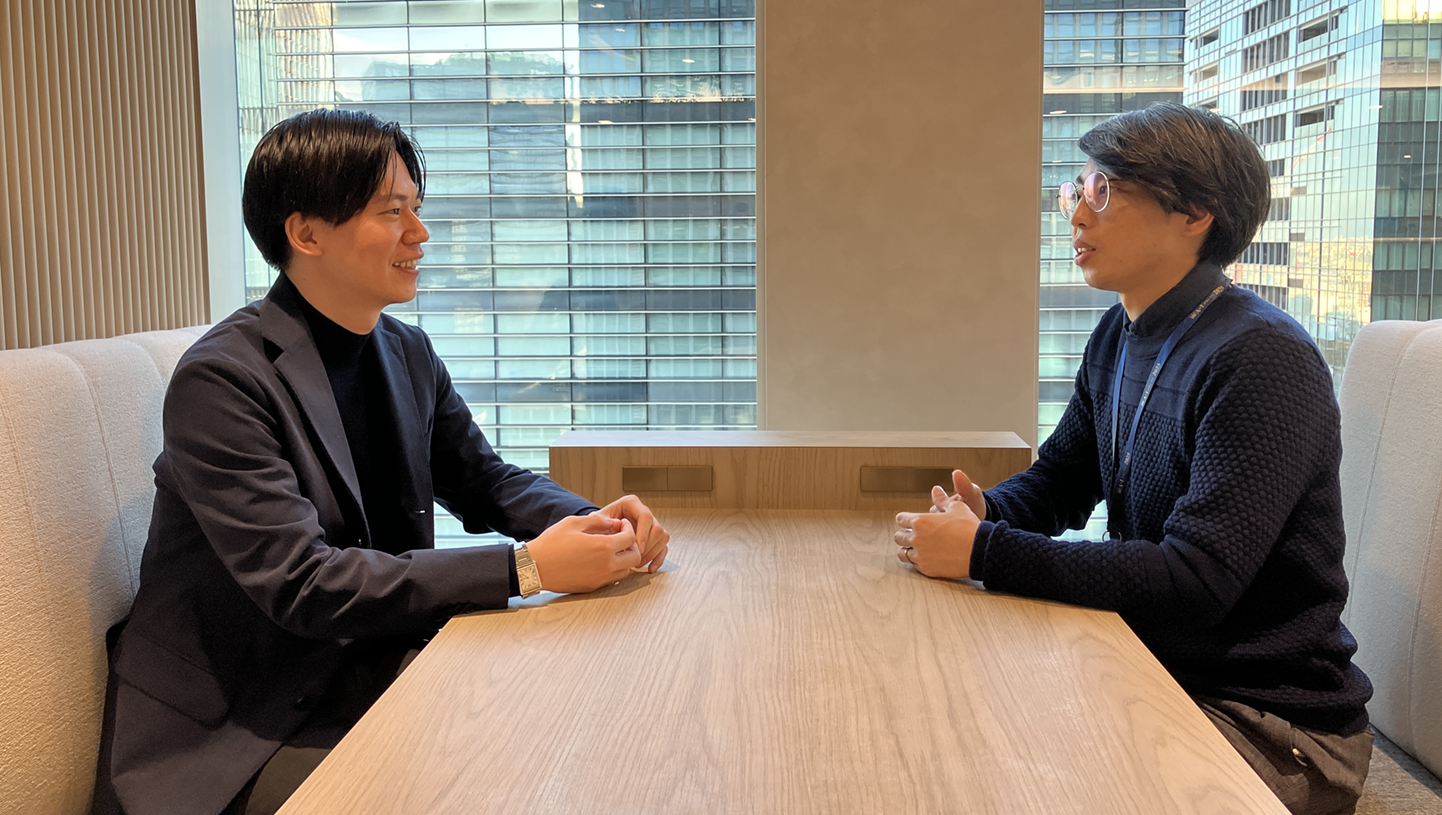


Chugai Pharmaceutical is promoting the company-wide use of real-world data (RWD)*¹. In this article, we focus in particular on project members from the Drug Safety Division and introduce their initiatives.
*¹ Real-world data collected in routine clinical practice that can be reused for secondary purposes. (This includes electronic health records, insurance claims [medical fee statements], health checkup data, wearable device data, and other large-scale and diverse medical data generated in real healthcare settings. )
Centered on the concept of “Personalized Safety Care,” Chugai’s Drug Safety Division is advancing evidence generation using real-world data in addition to conventional clinical trials and regulatory activities. Through these efforts, the Division aims to support treatment decisions in clinical practice and deliver safe and effective therapies optimized for each individual patient.
In 2024, the Drug Safety Division launched a safety study, in collaboration with healthcare professionals, using real-world data to evaluate a hematologic oncology treatment in patients aged over 80. The study results were presented at domestic and international scientific conferences during the same year and were subsequently published in a peer-reviewed international academic journal in 2025. “Patients over 80 years old are often excluded by eligibility criteria in many clinical trials, but by leveraging real-world data, we can gain valuable insights,” members of the Drug Safety Division explain. In this interview-based article, we introduce concrete examples of how Chugai’s Drug Safety Division is opening up new forms of patient contribution through the use of real-world data.
Interview date: August 8, 2025
Location: Chugai Pharmaceutical Co., Ltd. Headquarters
Reproduced from Chugai Pharmaceutical’s official Note page (https://note.chugai-pharm.co.jp/). Article details and employee positions are current as of December 2025.
Participants’ Profiles
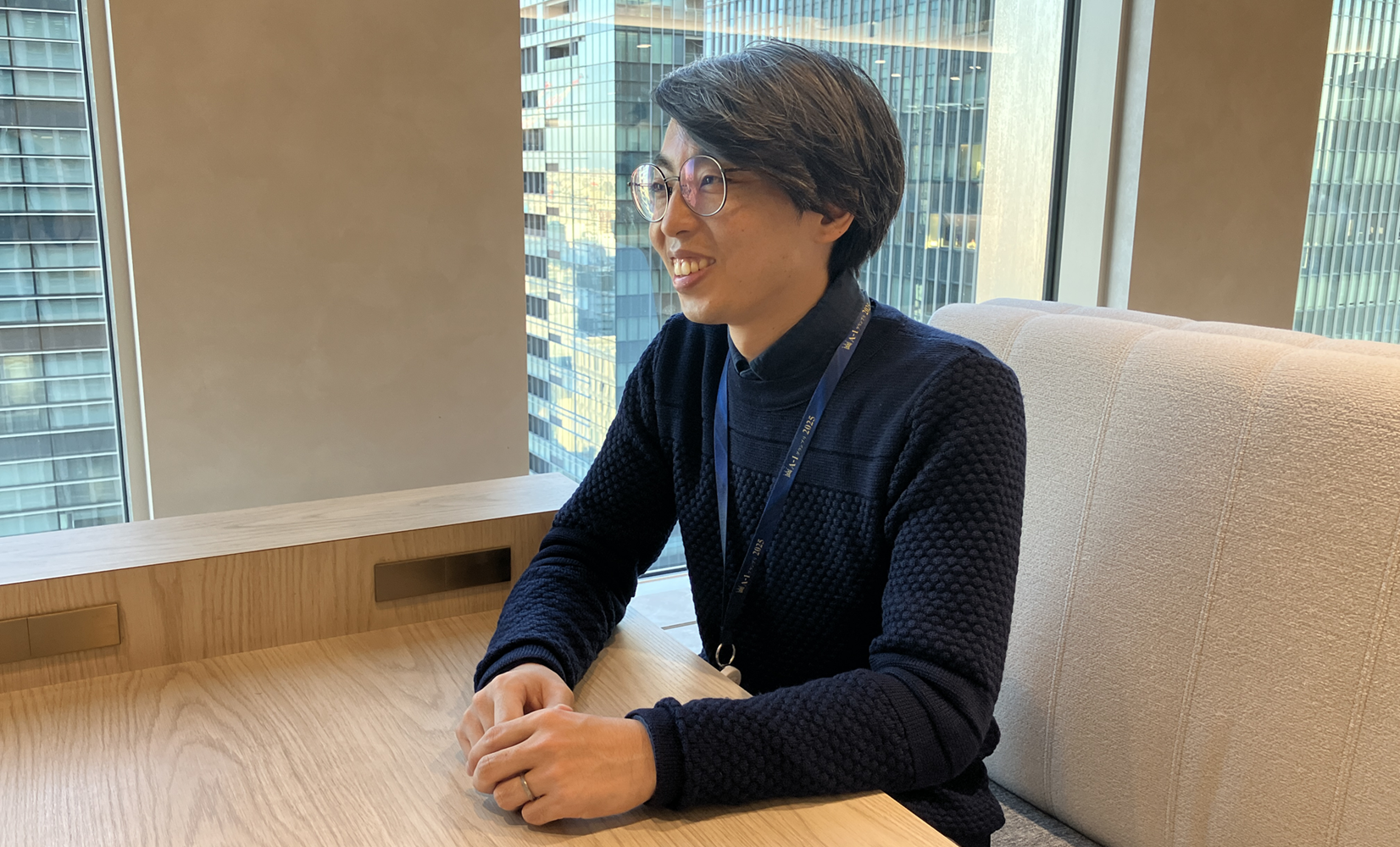
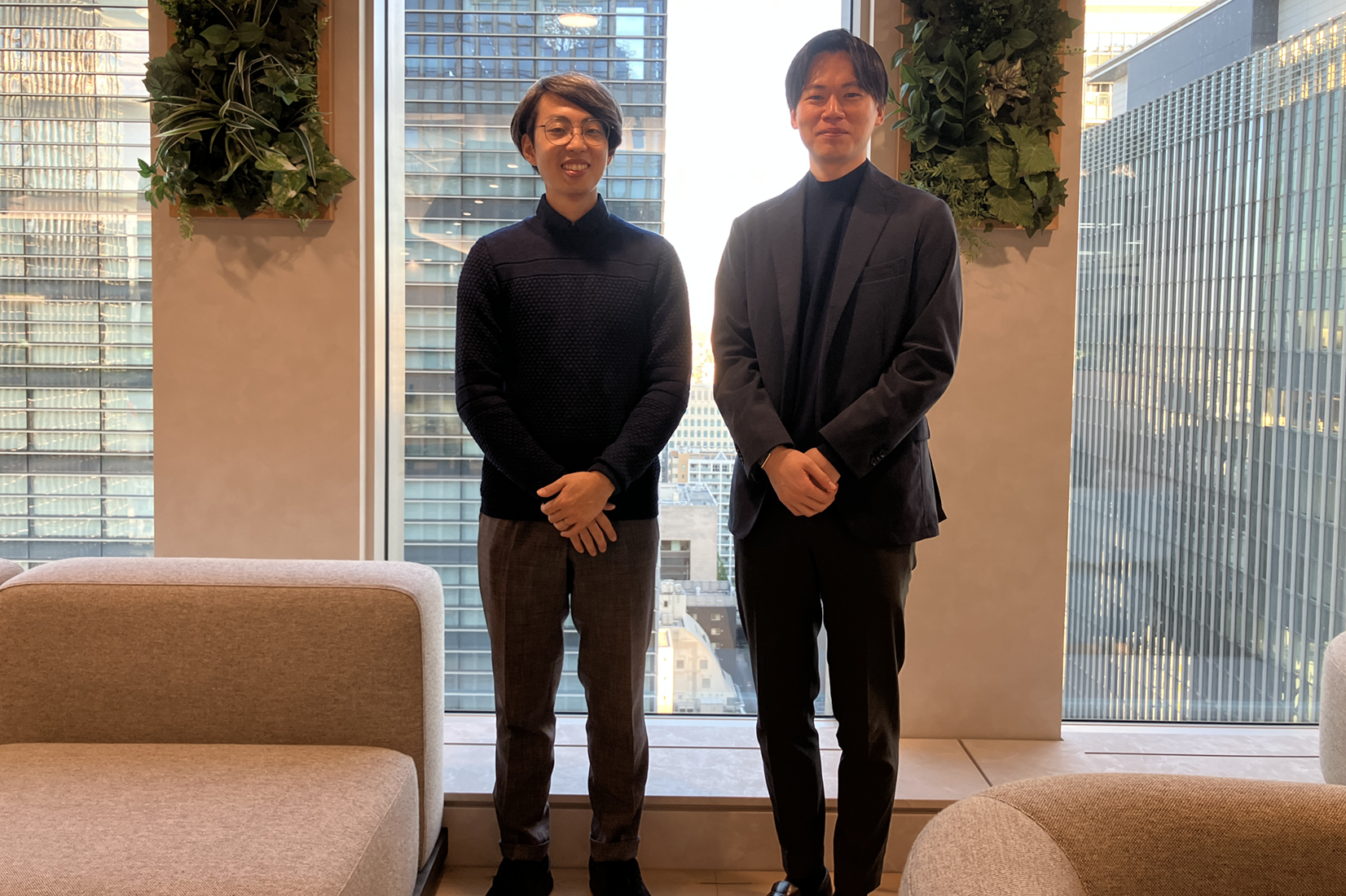
Oda Tetsuro (Drug Safety Division, Safety Science Department I, Chugai Pharmaceutical): Joined Chugai Pharmaceutical through mid‑career recruitment in November 2020. Engaged in data science–related work utilizing real‑world data.
(Top image, right)
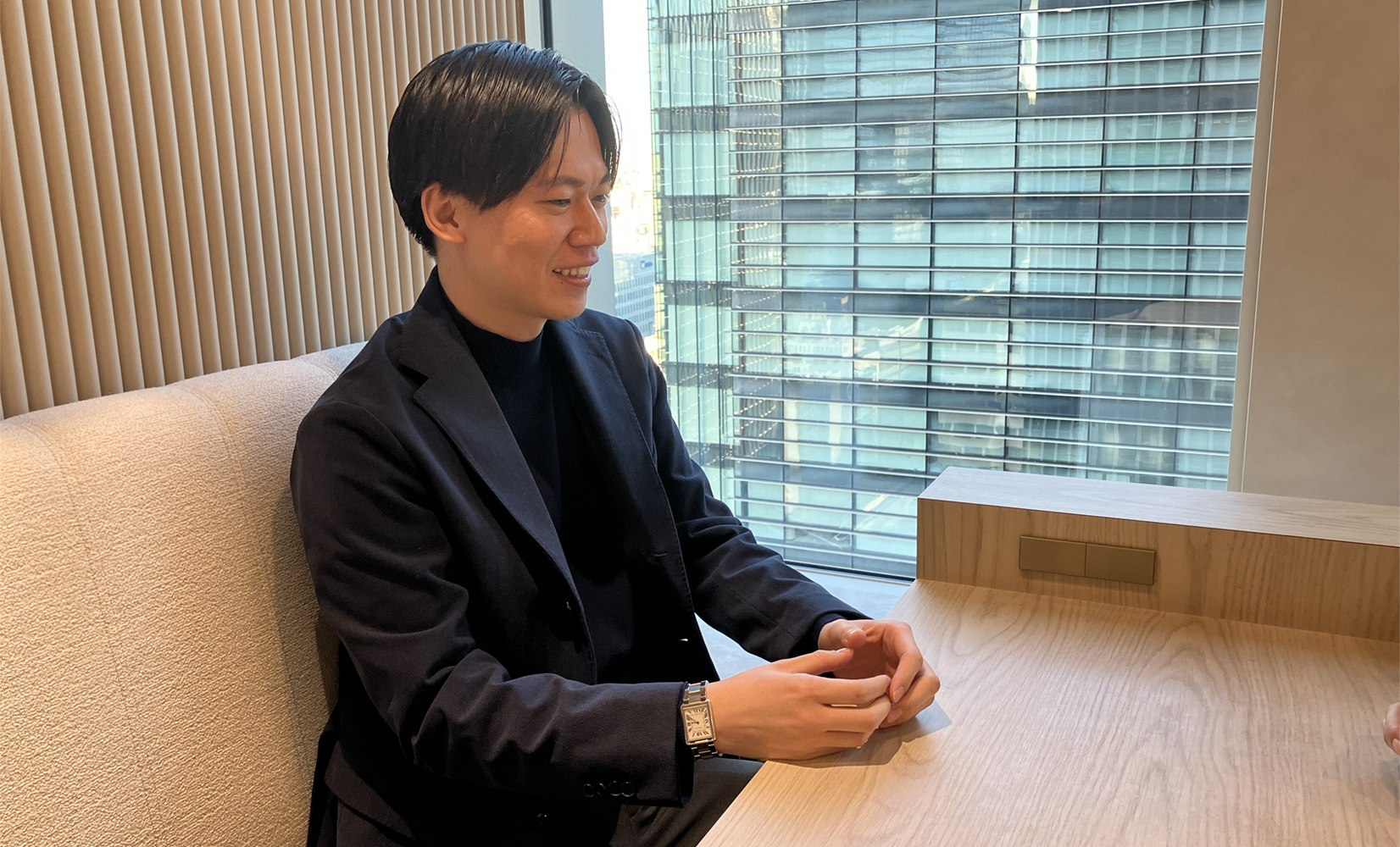
Nakanishi Shimpei (Drug Safety Division, Safety Science Department II, Chugai Pharmaceutical): Joined Chugai Pharmaceutical as a medical representative (MR) in 2015. Transferred to the Drug Safety Division in October 2020 and is responsible for developing and implementing safety strategies.
(Top image, left)
What Is the Drug Safety Division’s Vision of “Personalized Safety Care”?
Nakanishi “Personalized Safety Care” refers to providing safety‑related data tailored to the characteristics and circumstances of each individual patient, thereby contributing to personalized medicine. Our ultimate goal is to build mechanisms that support safer and more effective treatment delivery and enable the prediction of safety by leveraging not only data obtained from clinical trials, but also information collected in real‑world clinical settings. Through these efforts, we aim to enhance the overall value of patients’ lives and contribute to patient‑centric healthcare.
Background to the Use of Real World Data
Oda Traditionally, clinical trials used for drug approval apply inclusion and exclusion criteria when selecting patients. As a result, data on elderly patients and those with comorbidities tend to be limited in clinical trial outcomes. This can lead to gaps in the information available to support treatment decisions for such patients in real-world clinical settings.
Nakanishi From my experience as a former medical representative (MR), I have always felt a strong desire to generate evidence that provides reassurance to both healthcare professionals and patients. Together with Mr. Oda, I regularly explore ways to leverage real-world data, which reflects actual clinical practice.
Oda By utilizing real-world data, we can obtain information on patients who were not included in clinical trials, as well as insights into treatment effects in routine clinical practice, including the effectiveness of medicines and the actual occurrence of adverse events. This approach has the potential to address the diverse needs of healthcare professionals across different clinical scenarios. In Japan, there are several companies that handle medical big data, including real-world data, and we obtain data from these sources depending on the purpose of the study.
Case Studies of Data Generation Addressing Clinical Questions in Practice
Nakanishi The eligibility criteria for clinical trials of new treatments for hematologic malignancies that I am involved in typically cover patients aged 18 to 80. As a result, we had no information on patients over 80 years old, who are said to account for more than 20% of patients with these hematologic cancers. If we can clarify the actual treatment situation in this elderly population, both healthcare professionals and patients will be able to approach treatment with greater confidence.
Oda With this in mind, we conducted a real-world data–based study in collaboration with physicians at universities and hospitals, with the aim of addressing the lack of safety information on new treatments in elderly patients. This was a safety-division–led study, which differs from conventional post-marketing surveillance studies typically conducted by safety departments. The focus was on infection-related and bone marrow suppression–related adverse events. As a result of the analysis, we obtained insights that can contribute to discussions on the applicability of the treatment to patients over 80 years of age and on appropriate risk management strategies.
Nakanishi Initially, this initiative was intended for use as internal reference material for Chugai’s medical representatives (MRs). However, voices emerged within the company suggesting that making the findings public would provide valuable information that could help healthcare professionals feel more confident when treating patients. Based on this, the project was launched as a study aimed at presentation at scientific conferences and publication in academic journals.
Within one year of the study’s launch in January 2024, the results were presented at domestic and international scientific meetings, and most recently, the paper was published in a peer-reviewed international academic journal.
Creating Value for Stakeholders Through Cross‑Functional Collaboration
Nakanishi We gathered feedback and needs from real-world clinical settings by listening to colleagues in the Sales Division with whom I had connections from my time as an MR, reports from MRs across Japan, and members of the headquarters marketing division. Patient voices conveyed through healthcare professionals often include needs that have not yet been fully articulated. I feel that initiatives aimed at addressing these needs ultimately lead to better treatment for each individual patient.
Oda Collaboration with other divisions is also essential when returning research findings to healthcare professionals and patients. Because we continuously worked in close coordination with the entire internal hematologic oncology team, we were able to establish a solid framework for disseminating information widely to healthcare professionals. This included, for example, promptly organizing webinars after academic conferences with physicians who collaborated with us on the research. I believe this strong cross-functional collaboration was one of the key strengths of the project.
Future Outlook
Oda This is a personal idea, but I have been thinking about whether it would be possible to systematically collect information from clinical settings, such as from patients and healthcare professionals. Ideally, we should be able to take proactive action to avoid risks before adverse events occur and cause patients to suffer. By leveraging AI and related technologies, I believe we may be able to establish a system that can predict potential risks at an early stage.
Nakanishi I am convinced that continuing to proactively pursue initiatives like this, with a focus on safety, will lead us closer to the Personalized Safety Care that Chugai’s Drug Safety Division aspires to achieve. Our division provides an environment where employees with diverse backgrounds—such as data scientists like Mr. Oda, individuals with experience as medical representatives like myself, and medical doctors—can all play active roles. Rather than being constrained by a single area of expertise, I would like to continue exploring new forms of patient contribution together with people from a wide range of backgrounds and perspectives.
Related Stories
-
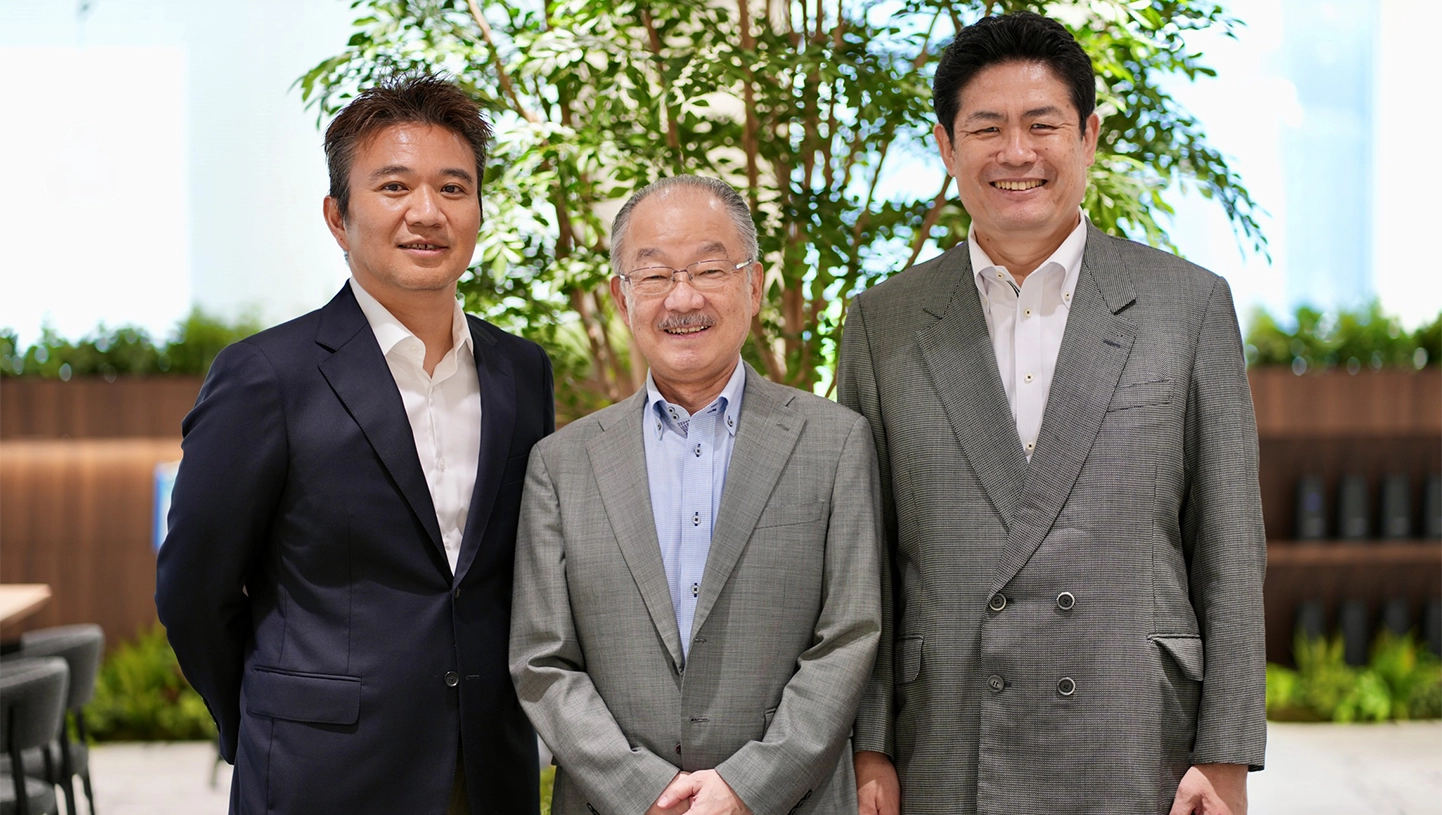
How an Original Idea Took Shape: The Journey of the Bispecific Antibody Research That Led to the Lasker Award
Hemophilia is a condition in which the blood does not clot easily, so that once bleeding starts — after an injury or a bruise, for example — it...
- Innovation
- R&D
-
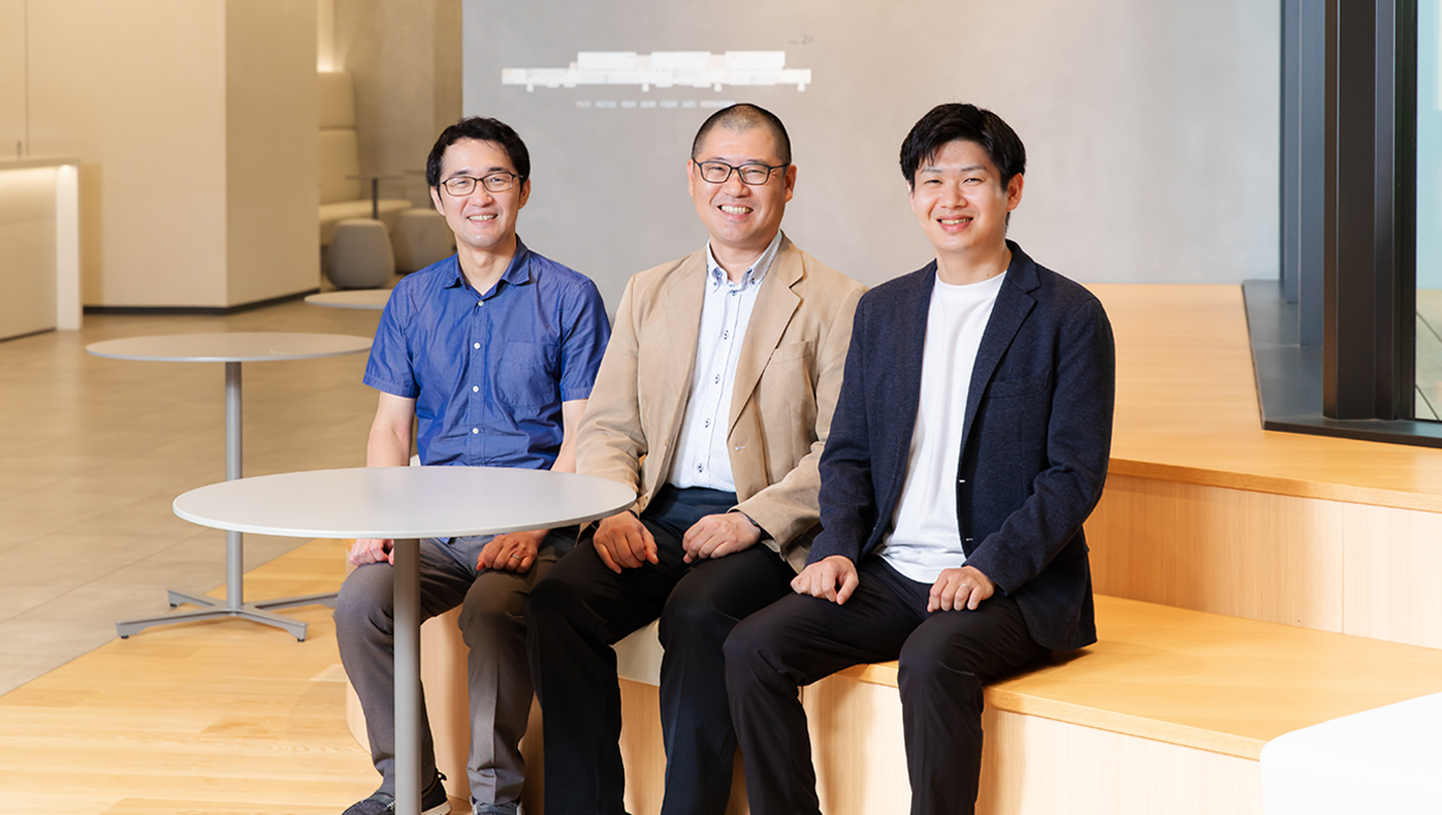
Breaking Through Drug Discovery's Computational Challenge: Chugai's Path Toward Practical Quantum Computing
Drug discovery is a complicated process of identifying the most promising clinical candidates from an enormous number of molecular combinations. Improving...
- Innovation
- R&D
- DX
-
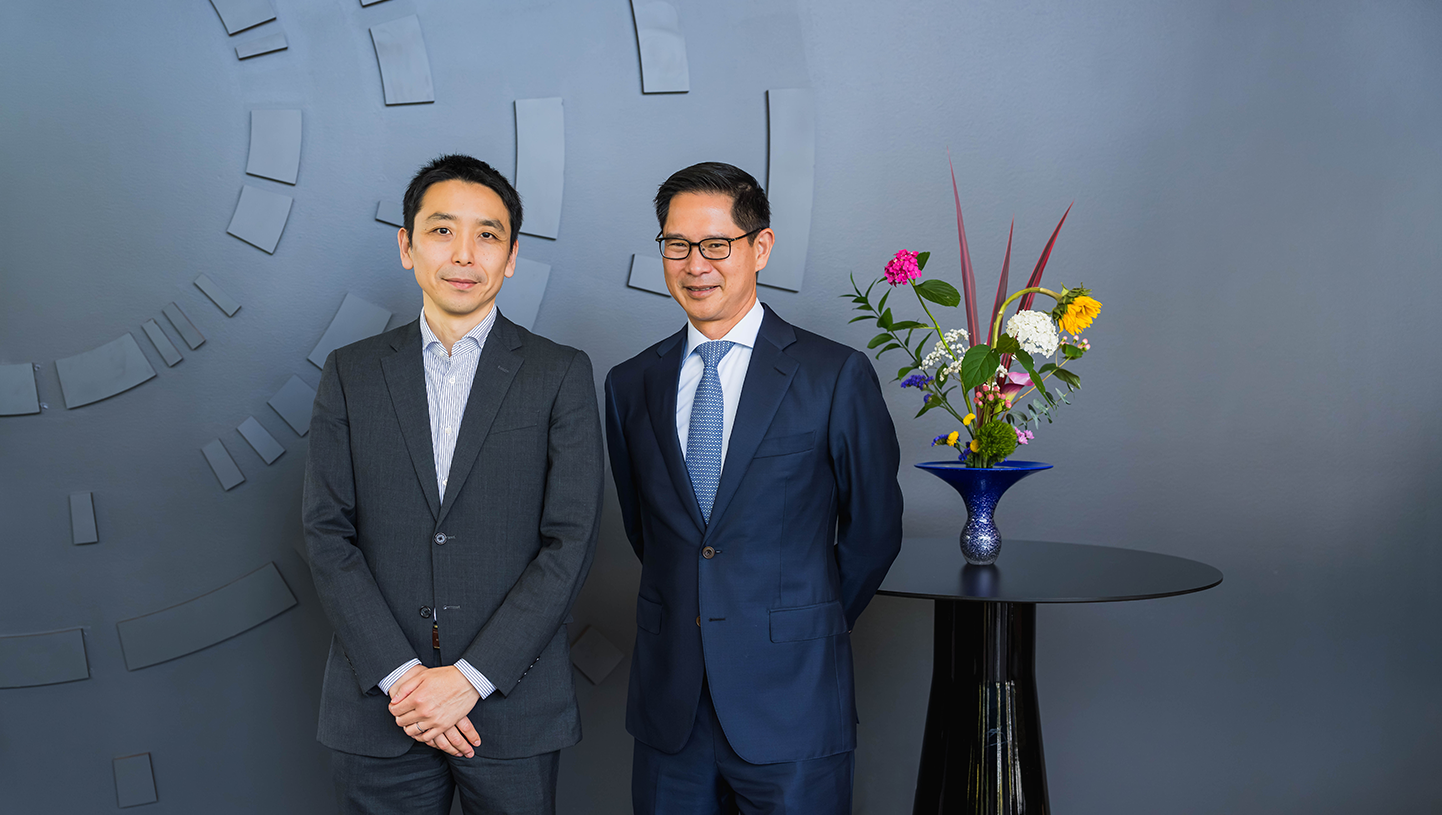
Building Chugai's Bridge to Global Innovation: Inside the US Partnering Office
Chugai’s U.S. Partnering Office in South San Francisco is expanding the way Chugai Pharmaceutical engages with breakthrough science in the United...
- Innovation
- R&D
- Partnering