
Carrying Patient Voices Into the Future: Japan’s Bleeding Disorders Registry
- Disease Awareness
- Sustainable Healthcare
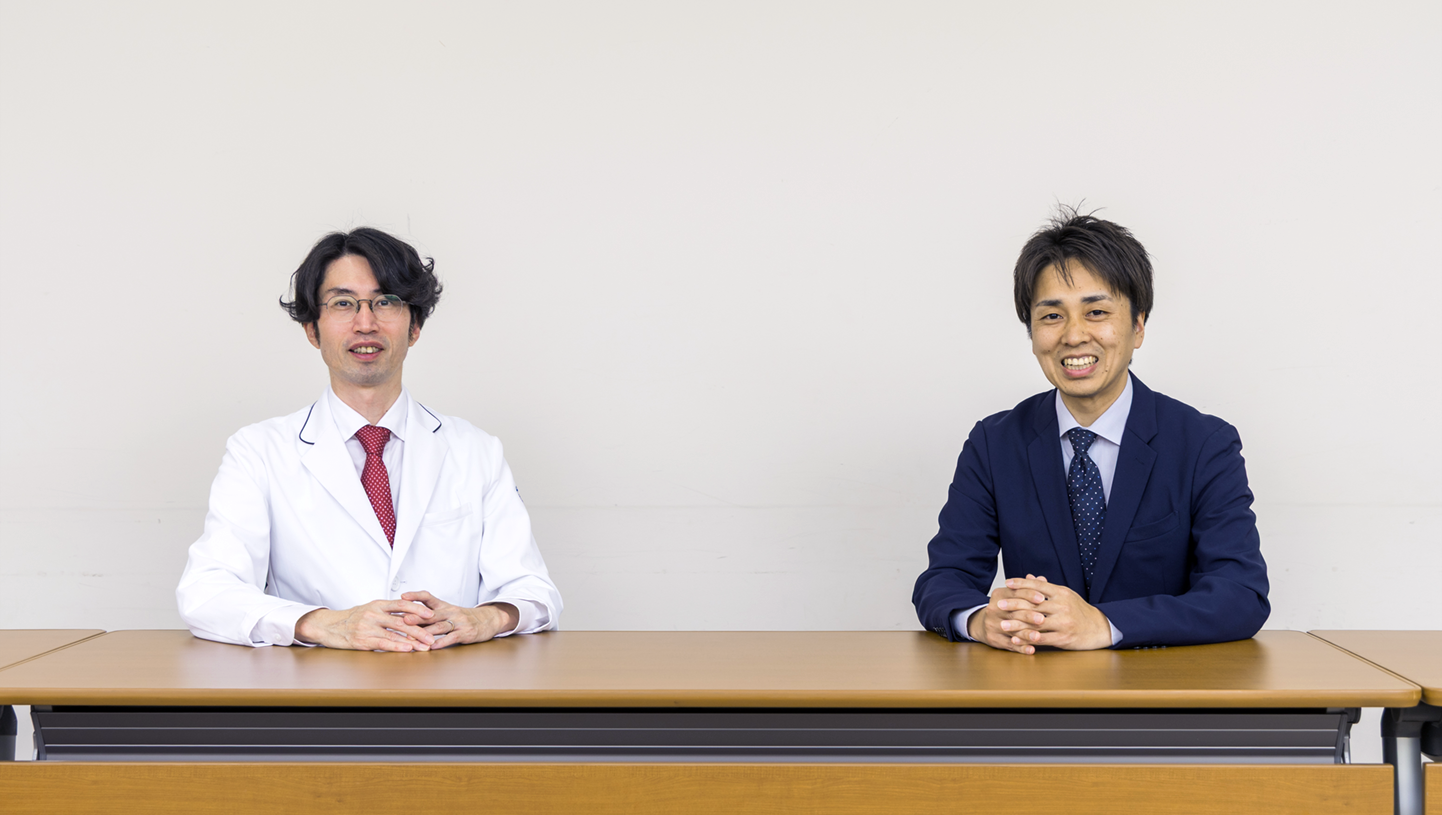


Delivering optimal care even for rare diseases — driven by this commitment, patient advocacy groups, an academic society, and a pharmaceutical company joined forces to launch the Bleeding Disorders Registry (B‑Regi), a rare disease database that began operations in April 2025. In approximately one year since its launch, around 2,700 patients have registered, generating significant expectations among healthcare professionals and people with hemophilia and their families. Dr. Nobuaki Suzuki, a member of the Bleeding Disorders Registry Steering Committee (Department of Transfusion Medicine, Nagoya University Hospital), and Yoshimasa Sugao of Chugai Pharmaceutical (Specialty Medical Science Dept.), who led the registry's development on the corporate side, discuss the current state of hemophilia and the future that data can unlock.
Interview date: March 19, 2026 | Location: Conference room, Nagoya University Hospital
The Current State of Hemophilia
— To begin with, what kind of disease is hemophilia?
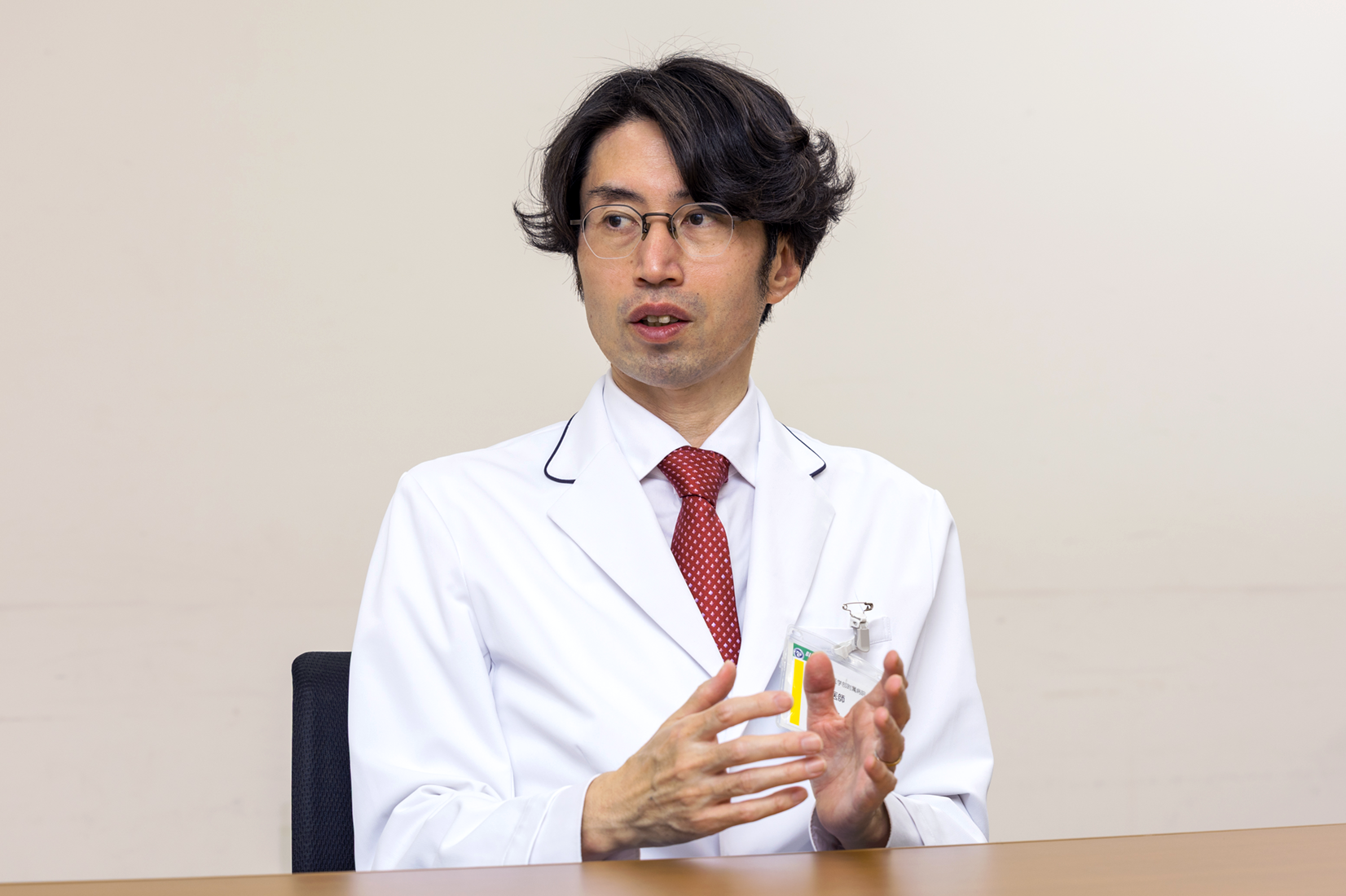
Dr. Suzuki Hemophilia is a condition in which the body lacks sufficient "clotting factors" — proteins essential for blood coagulation. It is the most common type among bleeding disorders. Hemophilia can be either congenital or acquired. In congenital hemophilia, genetic abnormalities prevent the body from producing adequate clotting factors from birth. As a result, once bleeding starts — from an injury, for example — it takes much longer for the blood to clot. In terms of patient numbers, the fiscal year 2024 national survey reported 5,956 people with hemophilia A and 1,345 with hemophilia B (Reference: National Survey on Blood Coagulation Disorders, Fiscal Year 2024 Report). Hemophilia is designated as a rare disease, and a typical regional core hospital might have around five patients receiving regular follow-up care.
— How has treatment advanced over the years?
Dr. Suzuki Plasma-derived concentrates were introduced in the 1960s, and by the 1990s, recombinant concentrates had become the standard of care. The treatment paradigm shifted from "stopping bleeds after they occur" to "preventing bleeds from happening in the first place" through regular replacement therapy. From the late 2010s onward, subcutaneous injection therapies were added to the mix, significantly broadening the range of options. A telling example can be seen at patient community camps. Thirty to forty years ago, many children there were on crutches. Today, they're all running around just like any other kids. That's how far treatment has come. That said, hemophilia is still not a curable disease. Many patients in their 40s and older live with joint damage from an era before regular replacement therapy was available, and even younger patients can experience a decline in quality of life due to treatment interruptions or injuries.
The Hard-to-Ignore Challenges: Regional Disparities in Care and Gaps in Continuity
— What other challenges exist?
Dr. Suzuki One of the biggest challenges is regional disparity in healthcare. In urban areas, patients have access to experienced specialists, but that's often not the case in rural regions. Another major challenge is the transition from pediatric to adult care. During childhood, parents manage hospital visits, but as patients reach adulthood, changes in their living circumstances can cause them to lose touch with regular care. There's also a paradox: when treatment becomes so routine, patients may lose sight of just how important it is. The question we face is how to build systems that allow patients to stay naturally connected to their healthcare.
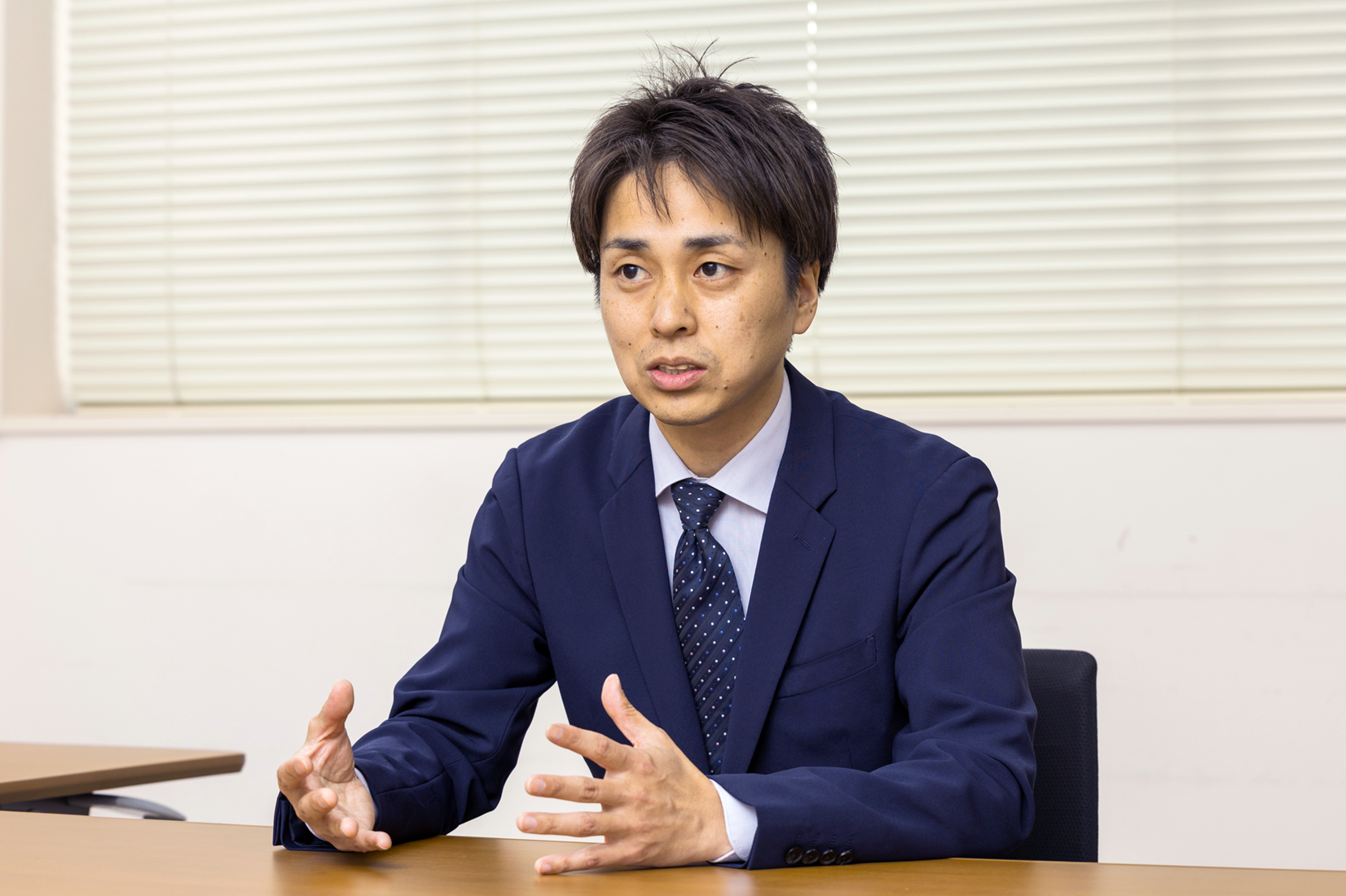
Sugao I manage the registry development project on the corporate side. As I visited hospitals across the country, I witnessed firsthand the uneven distribution of specialists — in one prefecture, hemophilia specialists existed only in pediatrics; in another, only hematologists were available. These issues had long been sensed intuitively but had never been made visible through data. That's precisely why I felt so strongly that we needed a solid foundation to present the reality with evidence.
Behind the Scenes of B-Regi's Creation: Co-Creation Across Boundaries
— How did the Bleeding Disorders Registry,*¹ "B-Regi,"*² come about?
Dr. Suzuki Nationwide surveys on hemophilia had been conducted in Japan for some time, but they relied on paper-based questionnaires. It was impossible to perform longitudinal analyses — to understand which patients changed treatments at what point and what happened afterward. Meanwhile, some countries overseas had established unified registries that were being used to develop treatment guidelines and inform healthcare policy. Within the academic society, there was a growing recognition year after year that Japan needed a similar infrastructure.
Sugao Out of that shared sense of urgency, a collaborative research initiative was first launched between The Japanese Society on Thrombosis and Hemostasis and Chugai. The insights and operational know-how gained from that effort became the foundation for envisioning a broader framework — the national registry "B-Regi." In evolving from a corporate-funded joint study to a society-led national registry, we involved patient advocacy groups from the planning stage and established a tripartite collaboration among industry, academia, and patient advocacy groups before moving forward.
Dr. Suzuki The collaborative framework between the academic society and hospitals served as the bedrock. The country was divided into seven regional blocks, with approximately 100 facilities cooperating around 16 block core hospitals. It was this existing infrastructure that made it possible to realistically envision what the registry should look like.
— PHR or Registry: The Form That Emerged After Extensive Debate
Dr. Suzuki One of the major points of discussion during the planning process was whether to pursue a Personal Health Record (PHR)*³ or a registry. In fact, I personally was in favor of a PHR. Since many hemophilia patients self-inject, I thought the PHR philosophy — where patients manage their own data — was a natural fit. However, PHR and registry systems have fundamentally different design philosophies, and there was no guarantee that all patients would actively input their data. Realistically, I also felt it might be premature. Ultimately, we settled on incorporating PHR-like functionality within the registry framework — a system in which patients themselves can log infusion records and bleeding episodes through an app.
Sugao From Chugai's perspective, we believed that by combining a registry framework with an Electronic Patient-Reported Outcome (ePRO) app that patients could use in their daily lives, we could leverage the strengths of both approaches. Beyond financial support, what we as a company could contribute was expertise in building IT infrastructure and operational know-how. Our experience running digital proofs of concept internally proved valuable in the system design.
— A Four-Year Journey: Overcoming the Obstacles
Sugao From the time I took on this project to the registration of the very first patient, more than four years passed. Clarifying the registry's objectives, aligning on a shared vision, designing a sustainable operational structure, establishing an informed consent process for patients, ensuring data quality management and security — with the academic society, patient advocacy groups, and our company each having different positions and priorities, we overcame each obstacle through ongoing dialogue. Gaining the support of the patient advocacy groups was particularly significant. Without the voices of patients, this registry would never have become a reality.
Dr. Suzuki The first registration took place in my office at Nagoya University Hospital, doubling as a system verification. April 30, 2025, became a truly special day for me as well.
Sugao Though it wasn't exactly a "celebration" atmosphere, was it?
Dr. Suzuki No, it wasn't. I felt we had achieved about 80% of what we set out to build, but sustaining the registry is far more difficult than creating it. We all understood that this was just the beginning — and that the real challenges lay ahead.
How Will the Registry Transform the Future of Hemophilia?
— How will the data collected through B-Regi be used going forward?
Dr. Suzuki First, there is value for patients themselves. By reviewing their infusion records and bleeding episodes through the app, they can improve the quality of their self-management. As aggregated data, the registry will help us understand treatment patterns in real-world practice and evaluate the appropriate use of medications. And most importantly, the regional disparities I mentioned earlier can only be made visible when we have data. Once we can identify what challenges exist in which regions, we can take concrete steps to improve care coordination systems.
Sugao From a pharmaceutical company's perspective, registry data serves as a critical foundation for validating the value of treatments in real-world clinical settings. Chugai has been committed to the hemophilia field for many years, but research leveraging real-world data is still in its early stages. As B-Regi grows, the possibilities for research will expand significantly, and we expect it can become a platform for generating evidence from Japan that can be shared with the global community. Ultimately, we believe the greatest significance of this initiative lies in the evidence generated from the registry leading to treatment optimization, the development of new therapeutic options, and better care for each and every patient.
— Harnessing the Power of Data to Leave No Patient Behind
Dr. Suzuki The goal of a registry is not simply to build it — the true value lies in sustaining it. Five years from now, ten years from now, when data has accumulated, we will begin to see a landscape that is invisible today. I sincerely hope that as many patients as possible will register, so that we can realize a society in which people with hemophilia receive the same standard of care no matter where they live in Japan.
Sugao Chugai is committed not only to delivering medicines but also to helping shape the healthcare environment itself. We will continue working toward a society where disparities in healthcare access are eliminated and optimal treatment reaches every patient.
*¹A registry is a database that continuously collects and manages information — such as symptoms and treatment progress — from patients with a specific disease in a standardized format. With patient consent, clinical information and treatment progress are recorded over the long term and used for understanding the actual state of diseases, evaluating treatments, and developing new medicines (Reference: National Institute of Public Health, Guidebook for Registry Creation and Operation, Version 1.0).
*²B-Regi is the Bleeding Disorders Registry, built, operated, and managed by the Japan Bleeding Disorder Registry Organization (JBDRO), in which patients with hemophilia and other bleeding disorders in Japan are registered. JBDRO was established in September 2023 and is composed of physicians from The Japanese Society on Thrombosis and Hemostasis (JSTH), members of the National Hemophilia Network of Japan, and others (Reference: B-Regi website: https://b-regi.net/ Accessed March 26, 2026).
*³Personal Health Record (PHR) is a system that enables patients to record and manage their own health and medical information and share it with healthcare providers and family members as needed. While a registry collects and manages data under researcher initiative, a PHR places the patient as the primary owner of the data.
Comments From Patient Advocacy Groups
In conjunction with the publication of this article, we received the following comments from the patient advocacy groups that collaborated in the development of B-Regi.
Akahito Onishi, National Hemophilia Network of Japan
For our generation, when there was virtually no treatment available, we became accustomed to inconvenience and anxiety, along with a sense of resignation. Planning any kind of "schedule" in daily life was extremely difficult. Even if you made meticulous plans, the moment a joint swelled up, everything would be ruined in an instant. I might say that's how I ended up with my improvise-as-you-go personality — though that may just be passing the blame (laughs). It is precisely because I am one such patient that I place great hope in the power of data. Even among patients classified as severe or moderate, the way hemophilia symptoms manifest varies greatly depending on each individual's living environment. What works for Patient A may not necessarily apply to Patient B. However, I believe that by precisely accumulating a wealth of data — essentially, case studies — more appropriate treatments can be selected more efficiently. I look forward to the arrival of an era in which patients can receive appropriate care regardless of where they live or which facility they attend.
This article is intended to promote understanding of the Bleeding Disorders Registry. It is not intended to recommend, advertise, or provide medical advice regarding any specific medicine or treatment. Please consult a healthcare professional for any decisions regarding treatment.
Related Information
・Building a Rare Disease Database With Patients at the Center (Chugai Pharmaceutical Activity Report, July 17, 2025)
https://www.chugai-pharm.co.jp/sustainability/activity/detail/20250710000000_190.html (Japanese only)
・Smile-On: A disease awareness and information website by Chugai Pharmaceutical dedicated to bringing smiles to people with hemophilia and their families
https://smile-on.jp/ (Japanese only)
Related Stories
-
Creating New Forms of Patient Contribution Through Real‑World Data: How the Drug Safety Division Is Leading the Way
Chugai Pharmaceutical is promoting the company-wide use of real-world data (RWD)*¹. In this article, we focus in particular on project members from the...
- R&D
- DX
- Sustainable Healthcare
-
Innovating Pharmaceutical Packaging to Protect Patients and the Planet: Chugai's Challenge to Implement Recycled Plastics and Biomass-Based Materials
Pharmaceutical packaging is far more than a simple container. It serves a vital mission: safeguarding drug quality, supporting improved usability for...
- R&D
- Sustainability
- Sustainable Healthcare
- Global Environment
-
Learning Through Play: Cutting-Edge Drug Discovery at EXPO 2025. Chugai Employees Take On the Challenge of "Designing Future Society for Our Lives" at the Osaka-Kansai World Expo
"I defeated the cancer cells!" "Making medicine seems tough, but it's so cool!" The event venue was bustling with families, and children's excited voices...
- Sustainability
- Sustainable Healthcare
- Social Contribution
- Event