
Someone who strives to plan clinical development strategy at a young age with the hope of changing patients’ lives
- Recruitment
- Development


Attracted by Chugai Pharmaceutical’s strategic alliance with Roche
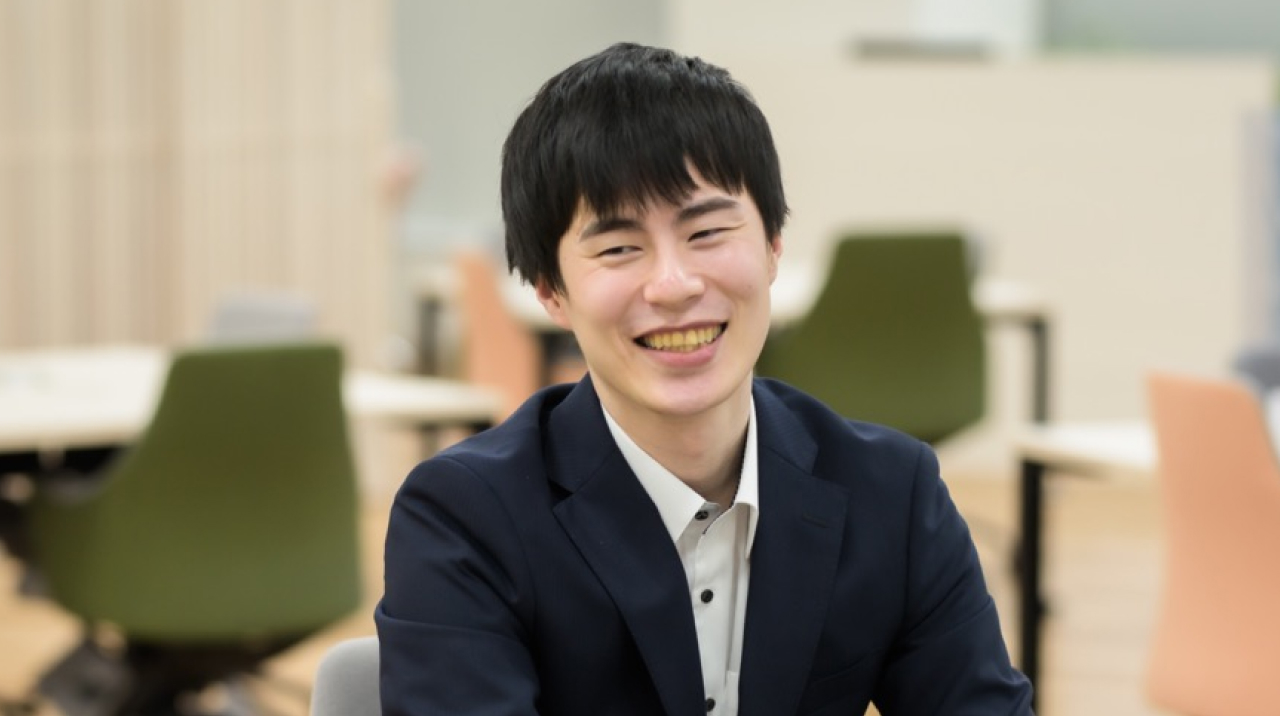
Chunan Chen developed an interest in medicine as a child, partly because his grandfather was a doctor. Majoring in pharmacy at university, as he engaged in basic research, he developed a strong desire to be involved in drug discovery. ‘Innovative drugs create treatment options that had previously not existed, and their impact changes patients’ lives. Their significance for society is immense, and I decided to apply to join Chugai Pharmaceutical because I wanted to be a part of that.’ One aspect of the company that particularly drew his attention and appealed to him was its strategic alliance with Roche. ‘That alliance makes it possible to roll out drugs from Chugai’s drug discovery process to the rest of the world through Roche Group’s network, as well as introduce drugs from the Roche Group to the company and deliver them to patients in Japan. I felt that this was a company that had great potential to deliver novel drugs to people around the world, which is why I applied to join Chugai Pharmaceutical.’
When he applied, Chen had difficulty choosing between a research position and a development position, but he eventually chose the development path as he thought that clinical development, which connects various functions and positions and can help patients directly in line with actual medical settings, would better allow him to demonstrate his abilities. After joining the company, Chen was assigned to the department in charge of planning and management of clinical studies. Clinical studies are conducted in three steps, namely Phase I (investigation of safety and pharmacokinetics with a small sample of healthy subjects), Phase II (investigation of efficacy and safety with a relatively small number of patients), and Phase III (confirming efficacy and safety with a large number of patients). Chen’s first assignment was in the management of the individual phases.
Making quick decisions in unforeseen situations
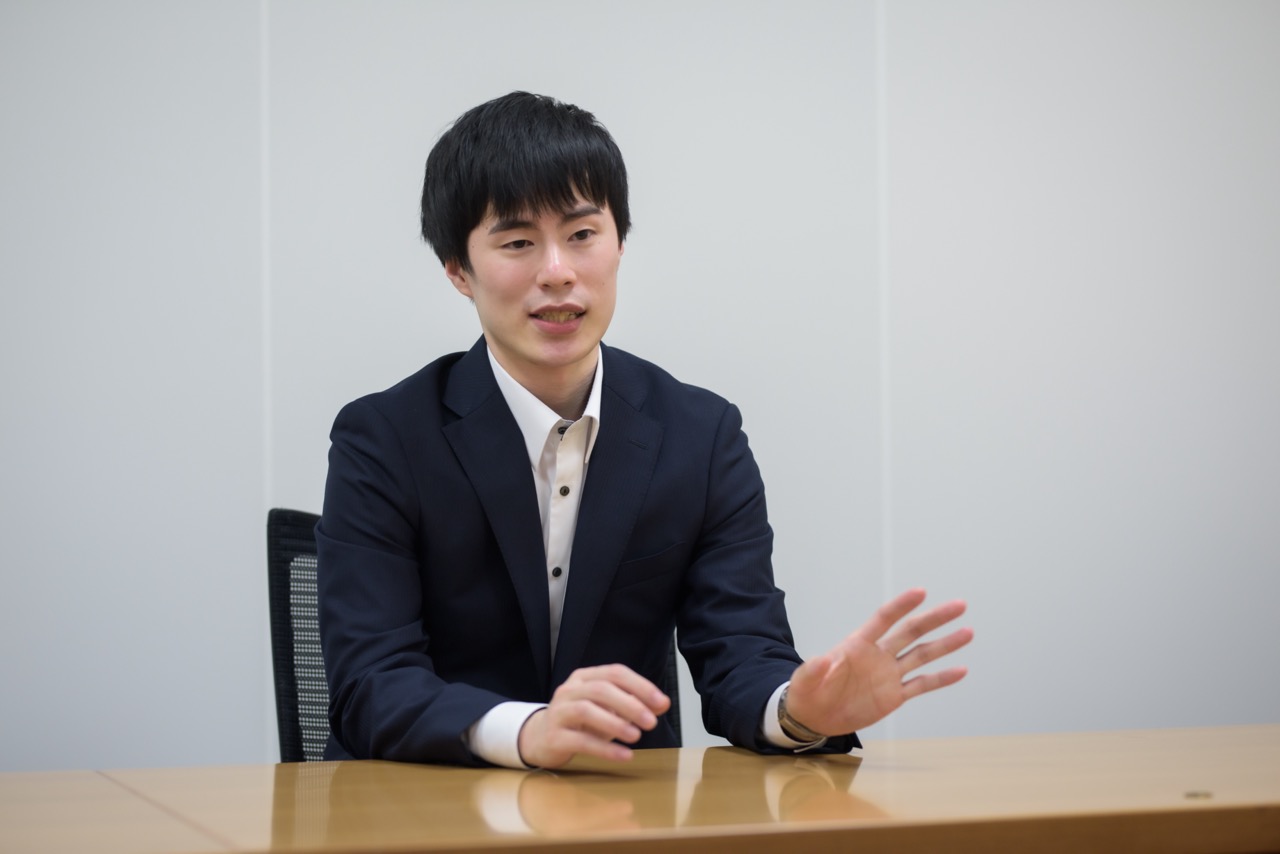
Chen says that the key to running clinical studies smoothly is to predict events that are likely to occur once the actual clinical study has started, envisage countermeasures, and plan accordingly. ‘Having said that, quite often, unexpected data crops up during clinical studies. There are many cases in which, despite there being no problems in animal testing prior to the clinical study, unexpected results appear in terms of safety or efficacy when the drug is administered to human subjects. If an unforeseen situation arises, we need to analyze the data we have to hand and make a quick decision as to whether the plan can be amended. This is the moment when my true worth is put to the test.’ As clinical studies are also conducted globally on company-developed products that Chen has worked on, there are many opportunities for him to communicate with overseas locations. Chen says that it is very challenging work, but that just makes it more rewarding. In his fourth year at the company, in addition to the role of planning the clinical study for the project he was entrusted with, Chen was assigned to planning and formulating clinical development strategy, which is the step before conducting the clinical study.
There is surely no other pharmaceutical company that offers more opportunities
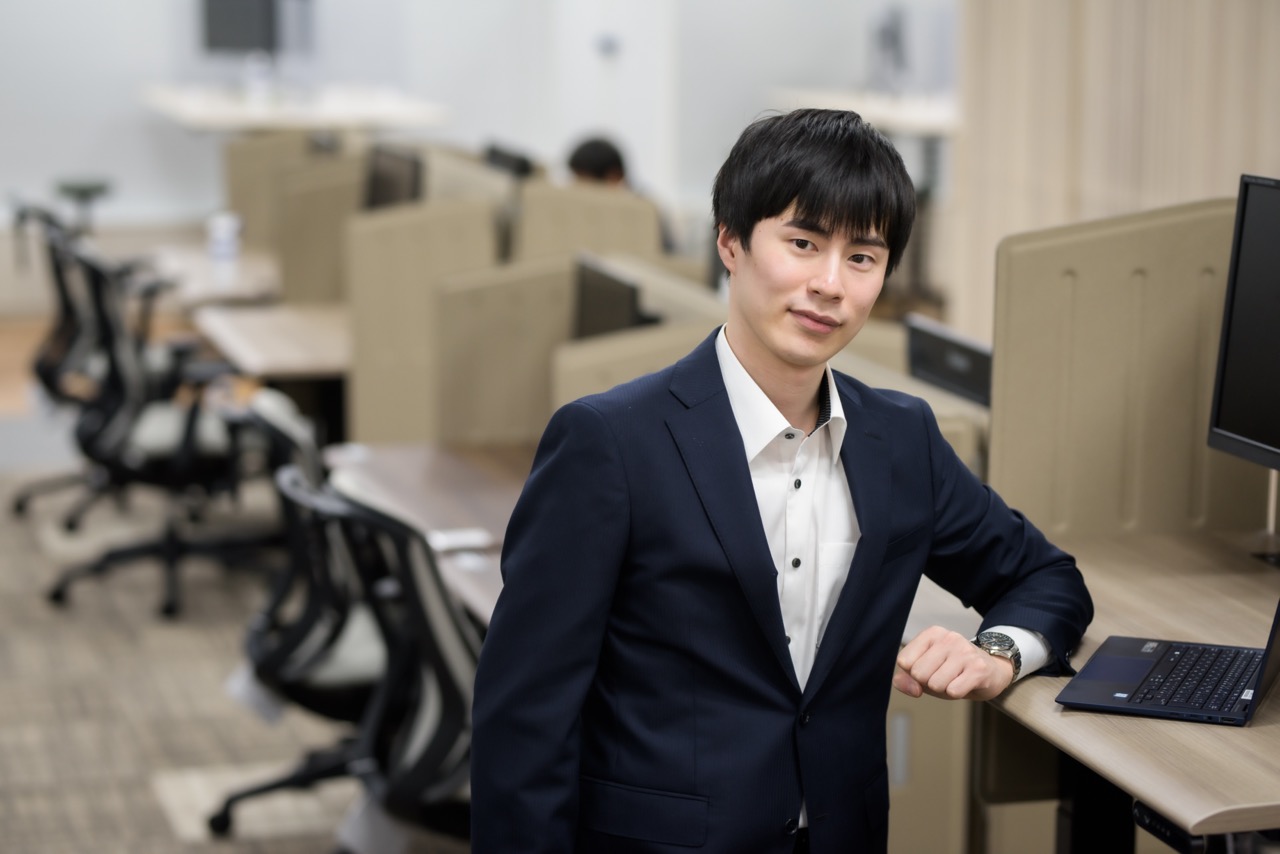
Chen wants to take on the challenge of leveraging DX to bring about innovation in clinical development. ‘If we can identify the condition of subjects remotely, using wearable devices for example, it will be possible to conduct clinical trial with the subjects staying at home, which would serve to alleviate the burden on patients. Ultimately, if we can make a biological model of the human body on a computer and simulate all the clinical trials there, the speed in which drugs can be delivered to patients will be accelerated dramatically. I am encouraged to boldly take on new challenges on a daily basis at my workplace, and there are many opportunities for me to realize what I want to do. By constantly taking on such challenges, I hope to deliver drugs to the world that can truly change patients’ lives.’
*The contents of this article, and the divisions that the people featured in this article belonged to and the names of those divisions are current as of the time of the interview.
Related Stories
-
Working to Reform the Drug Discovery Process—Acceleration of Drug Discovery Research Using Cryo-EM
Torizawa is general manager of the Protein Science Research Department. He is currently in charge of the early stages of drug discovery to uncover molecules...
- Innovation
- R&D
- Recruitment
- Research
- Cryo-Electron Microscopy
-
Next-generation pharmaceutical lead by digital technology Taking on innovative drug development with a data-driven approach
The Pharmaceutical Technology Division is in charge of the development process leading to the commercialization of candidate molecules. Within that division,...
- R&D
- DX
- Recruitment
- Research
- Drug Discovery Modalities
- Production Technology
-
To become a top runner in drug production. Taking on the challenge of innovative drug manufacturing with next-generation manufacturing facilities
Chugai Pharmaceutical’s bio drug substance (DS) manufacturing facility “UK4,” which contributes to the realization of sustainable global...
- R&D
- Recruitment
- Sustainability
- Supply Chain Management
- Drug Discovery Modalities