
Someone who strives to change pharmaceutical development drastically by delving more deeply into modelling and simulation
- Recruitment
- Development
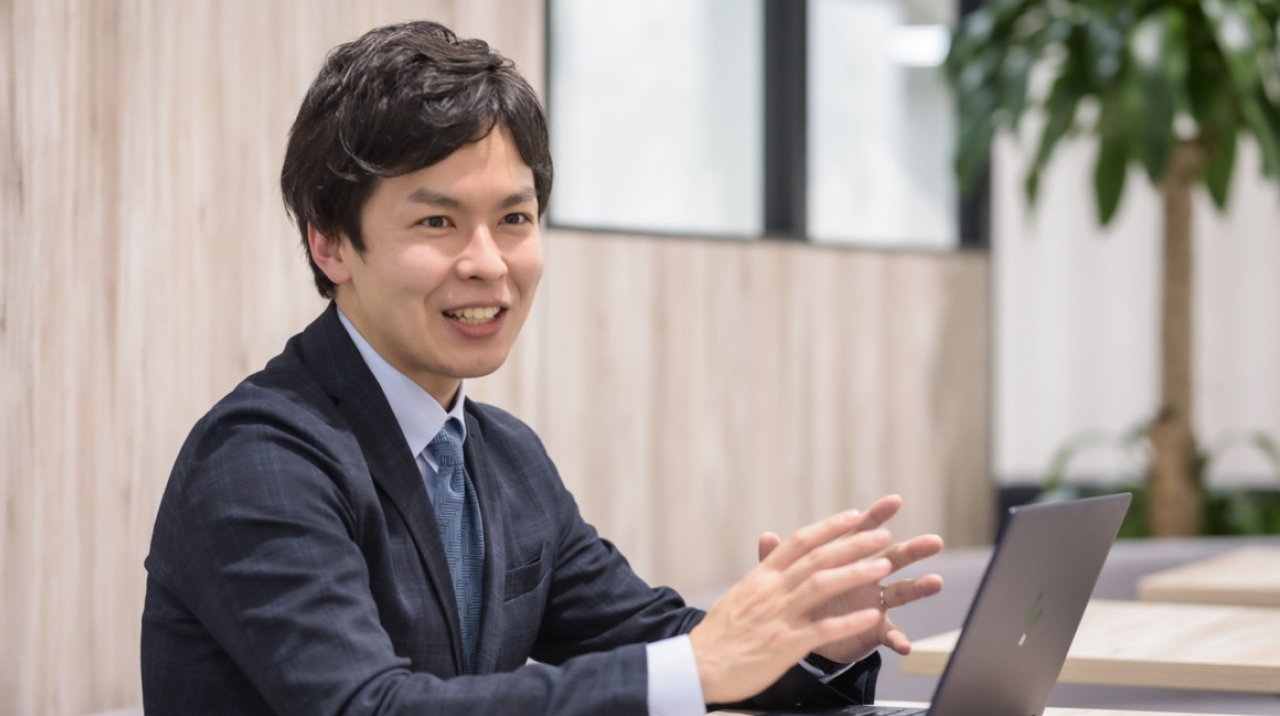


The thrill of working on clinical pharmacology for new drug candidates
Naoki Kotani majored in pharmacokinetics at university and hoped to find a clinical pharmacology position with a pharmaceutical company. He was particularly drawn to Chugai Pharmaceutical due to its abundance of development pipelines that had the potential to deliver more and better medicines to patients. Believing that this would give him many more opportunities for him to contribute to the development of medicine, he decided to join the company. He has been consistently engaged in clinical pharmacology throughout his 10-year career with the company. The role of the person in charge of clinical pharmacology includes working as a member of pharmaceuticals development project teams, evaluating the pharmacokinetics of new drug candidates and how it relates to efficacy and safety, and the design of dosage and administration of the candidate drug to different patient groups for clinical trials. ‘The appropriate design of the clinical trial connects to the success of the development. It is by no means an easy task, but it is an extremely important role and I find it very rewarding.’
Kotani has been involved in various drug development projects. One that left a particularly great impression was the development of a novel antibody drug for hemophilia A. ‘Hemophilia A is a disease that causes blood-clotting disorders. Previous standard treatments have required the repeated, extremely frequent administration of highly invasive drugs, which I had heard placed a great burden on patients and their families in terms of living their daily lives. Under these circumstances, our novel antibody drug was expected to achieve treatment efficacy with a less burdensome method of use. In an early-stage clinical study for this drug, in which I was involved in the clinical pharmacology role, the inhibitory effect on bleeding in patients was confirmed as clinical data. When I heard that delighted feedback had been received from the patients who took part in the clinical study as subjects, it gave me a real sense that I could help patients through drug development. The thrill I felt at that moment still remains strongly in my heart and serves as my motivation to this day.’ That antibody drug has now grown to become one of Chugai Pharmaceutical’s core products.
Absorbing cutting-edge knowledge and insights into M&S during posting to the United States
In his seventh year with the company, Kotani was given a major opportunity. He was posted to Genentech, a Roche Group company based on the west coast of the United States. ‘Building my career overseas has been one of my aspirations since joining the company. In my career development interview, I emphasized the fact that I wanted to improve myself by absorbing the knowledge and insights of the Roche Group, which is engaged in cutting-edge drug development on a global scale, and I was given an opportunity to work in the United States. My mission was to absorb the modelling and simulation (M&S) techniques and expertise that Genentech is implementing.’ M&S refers to modelling, that is using accumulated clinical data to build mathematical models that express the pharmacokinetics of new drug candidates and how it relates to efficacy and safety, and using those models to simulate the outcomes of clinical studies. This is a hot, cutting-edge theme in the pharmaceutical industry today.
*M&S: Short for Modelling and Simulation
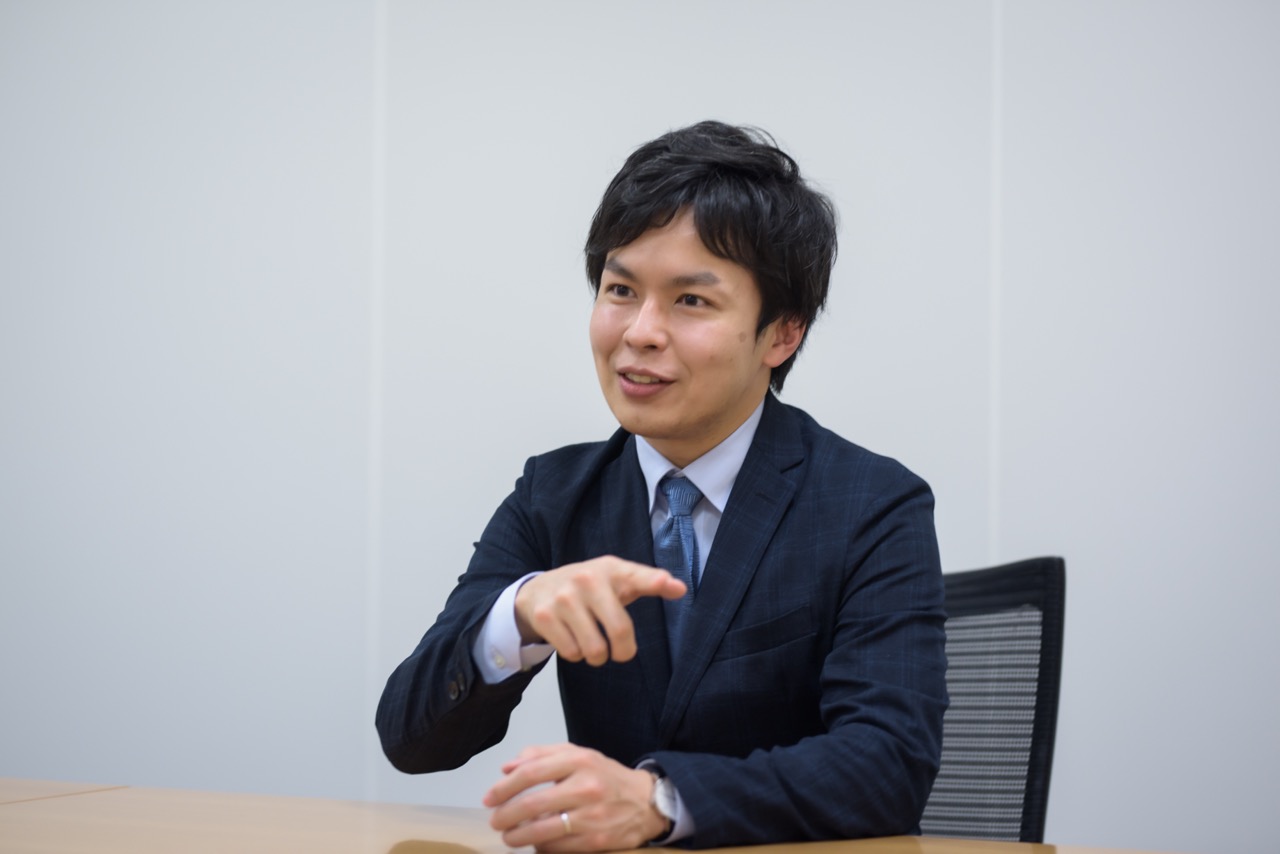
A desire to lead Chugai Pharmaceutical’s future with M&S
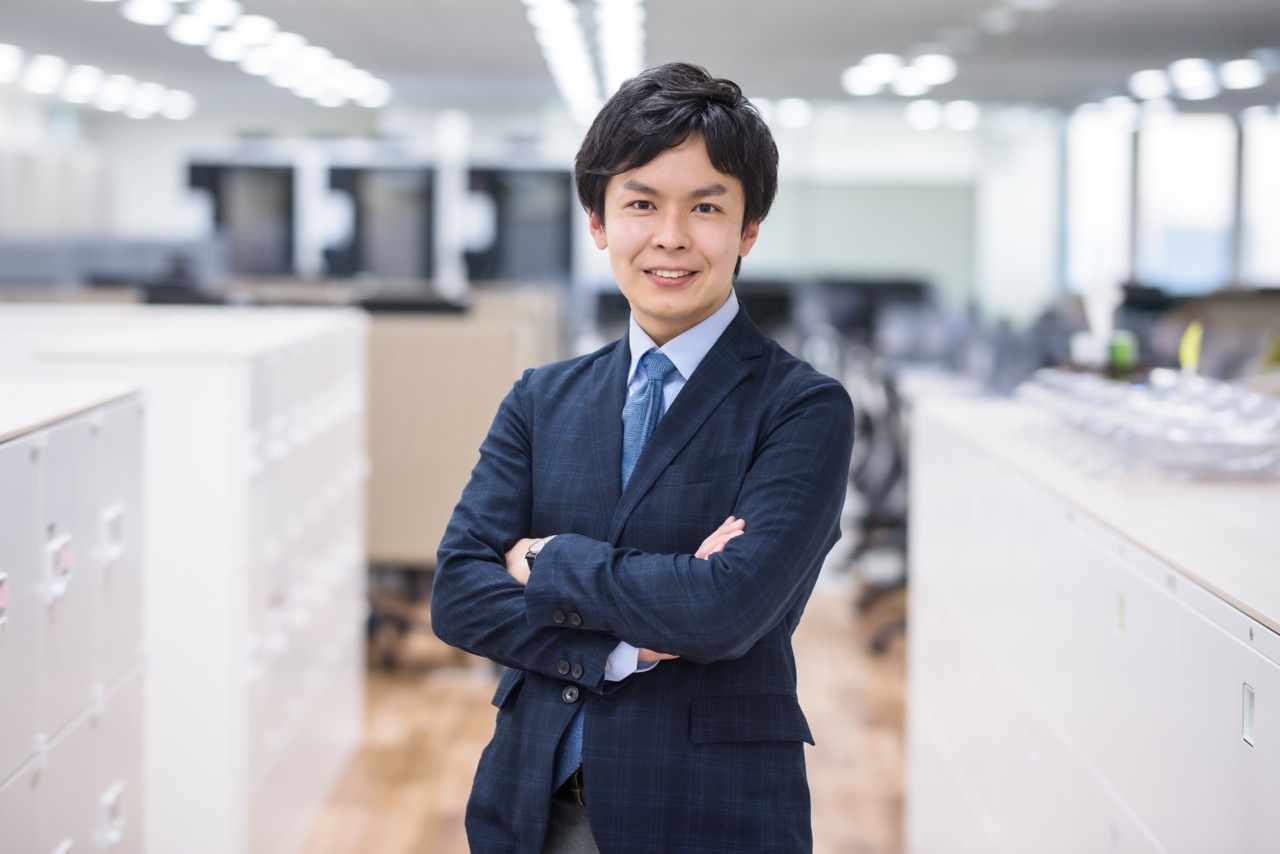
In the near future, it will become possible to conduct analysis with M&S to a level that shows how drug-candidate compounds react in the human body. Kotani is enthusiastic about playing a leading role in making that kind of world a reality. Achieving this will require knowledge of biology and clinical medicine, and Kotani will need to upgrade his own knowledge and experience. It will certainly not be easy, but he is still inspired by his experience in the development of the antibody drug for hemophilia. A drug that he helped to develop freeing patients from suffering and changing their lives. Kotani wants to deliver that feeling of joy to as many people as possible. It is with that passionate commitment in his heart that Kotani continues to address difficult challenges today.
*The contents of this article, and the divisions that the people featured in this article belonged to and the names of those divisions are current as of the time of the interview.
Related Stories
-
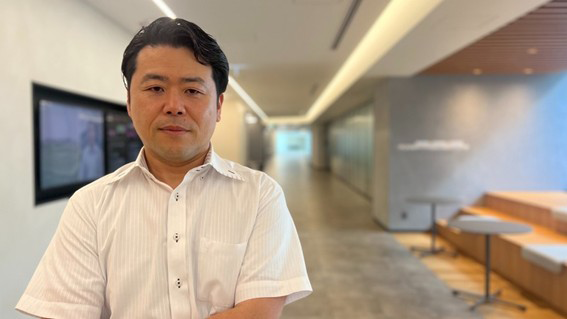
Working to Reform the Drug Discovery Process—Acceleration of Drug Discovery Research Using Cryo-EM
Torizawa is general manager of the Protein Science Research Department. He is currently in charge of the early stages of drug discovery to uncover molecules...
- Innovation
- R&D
- Recruitment
- Research
- Cryo-Electron Microscopy
-
Next-generation pharmaceutical lead by digital technology Taking on innovative drug development with a data-driven approach
The Pharmaceutical Technology Division is in charge of the development process leading to the commercialization of candidate molecules. Within that division,...
- R&D
- DX
- Recruitment
- Research
- Drug Discovery Modalities
- Production Technology
-
To become a top runner in drug production. Taking on the challenge of innovative drug manufacturing with next-generation manufacturing facilities
Chugai Pharmaceutical’s bio drug substance (DS) manufacturing facility “UK4,” which contributes to the realization of sustainable global...
- R&D
- Recruitment
- Sustainability
- Supply Chain Management
- Drug Discovery Modalities