
Someone with his eyes on social development issues as well as drug development.
- Recruitment
- Development
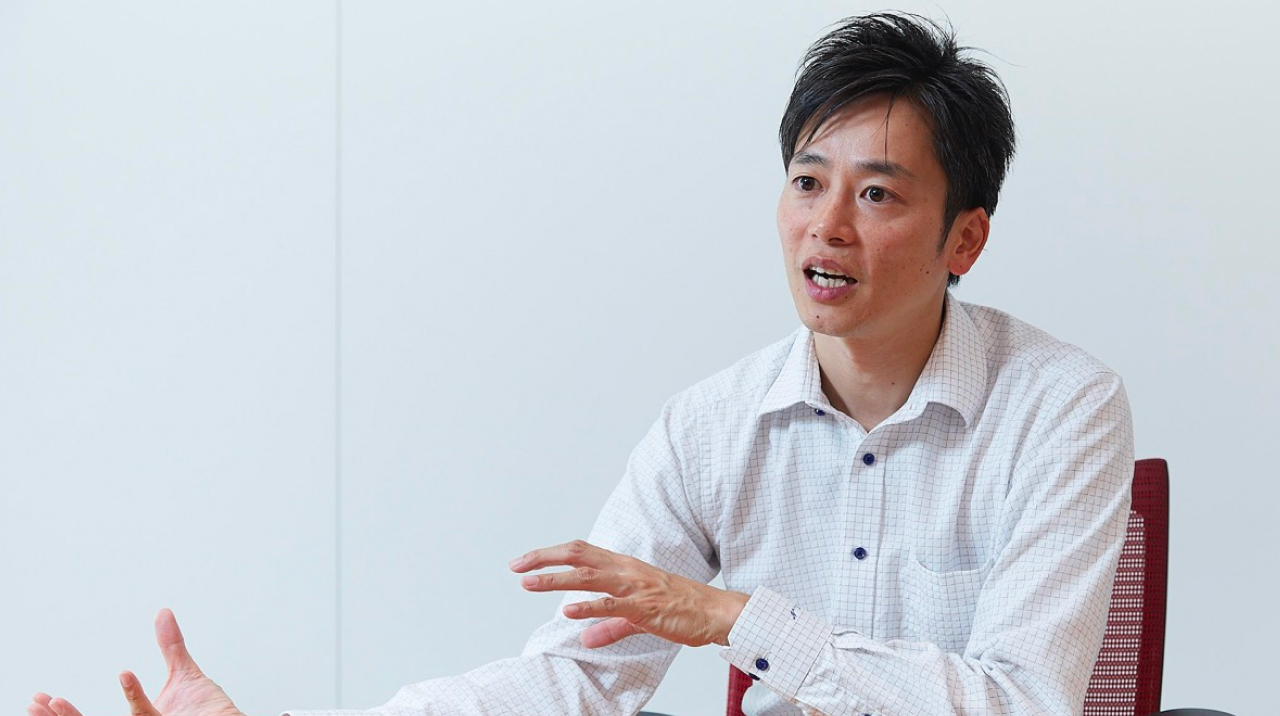


Putting one’s own interests to use for others.
Takatsugu Narikiyo specialized in the molecular life sciences at graduate school. ‘Just before I decided on my future path, I saw a special on television about biotechnology and I thought, “This is a field that is going to benefit society.” In my research into gene sequences, I was searching for something that triggered basidiomycete growth, working under a professor who was seeking to identify the growth mechanisms of basidiomycetes.’ This research theme also tied into industries such as crop agriculture and aquaculture. ‘I always felt that, if I were to do anything, instead of just pursuing my own interests, I wanted to do something that would connect to and benefit other people.’
That same thought process applied when Narikiyo was choosing an employer. ‘There is a family history of cancer on both my parents’ sides, so I was drawn to Chugai Pharmaceutical, which is trying to create a cancer-resistant society. I applied for a position in Clinical Study Management because I thought it was a job that connected research and sales. It also involves a great deal of interaction with other people, so I thought that it would suit my personality.’ In fact, in his 13 years with the company, Narikiyo has been able to engage in the development of a number of drugs that have been era-changing and drugs that benefit people.
‘So glad to have found this drug.’
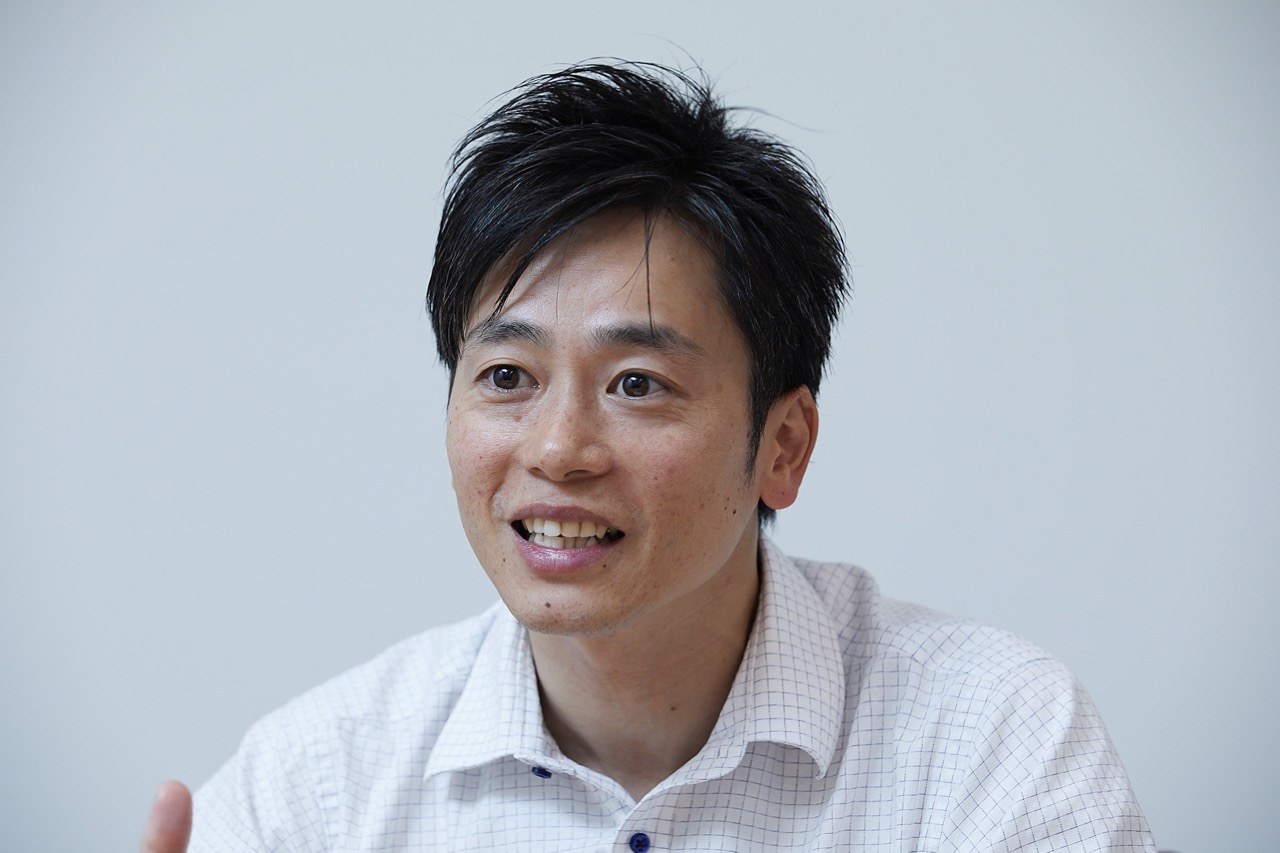
‘The question was how much we could speed up the approval process once we had ensured the drug’s safety. We held repeated discussions within the company about how we could narrow down the cohort and doses to keep the clinical trials to a minimum.’ It was not just within the company. Narikiyo says that they shared their desire to bring an effective therapeutic agent for melanoma to Japan as quickly as possible with the regulatory authority and physicians, and they all worked together on the development. ‘As a result, we were able to deliver the drug to market with exceptional speed, opening up new possibilities for the treatment of melanoma.’ Narikiyo does not normally have direct contact with patients but heard what a certain patient said through the treatment coordinator. ‘A young woman who had deferred her university studies to undergo treatment had her life extended thanks to that drug. She was able to return to her studies and graduate. I heard that her family were so glad to have found that drug. I felt that this had made all of our efforts worthwhile.’
Extend the boundaries of work and solve social issues.
‘Could I help solve the problem of society in that healthy longevity is not the same as average longevity?’ ‘I want to help eliminate pediatric diseases and realize a world in which no parent needs to bury their child because of illness.’ Now in his 13th year with the company, Narikiyo has started to explore the possibility of going beyond his immediate work and stepping into broader domains through drug development or even beyond the boundaries of his occupation. ‘In clinical development, our main goal until now has been to contribute to patients by sending drugs out into the world. However, I think there are so many more things we can do, such as contributing to regional medicine or thinking about Japan’s overall healthcare.’
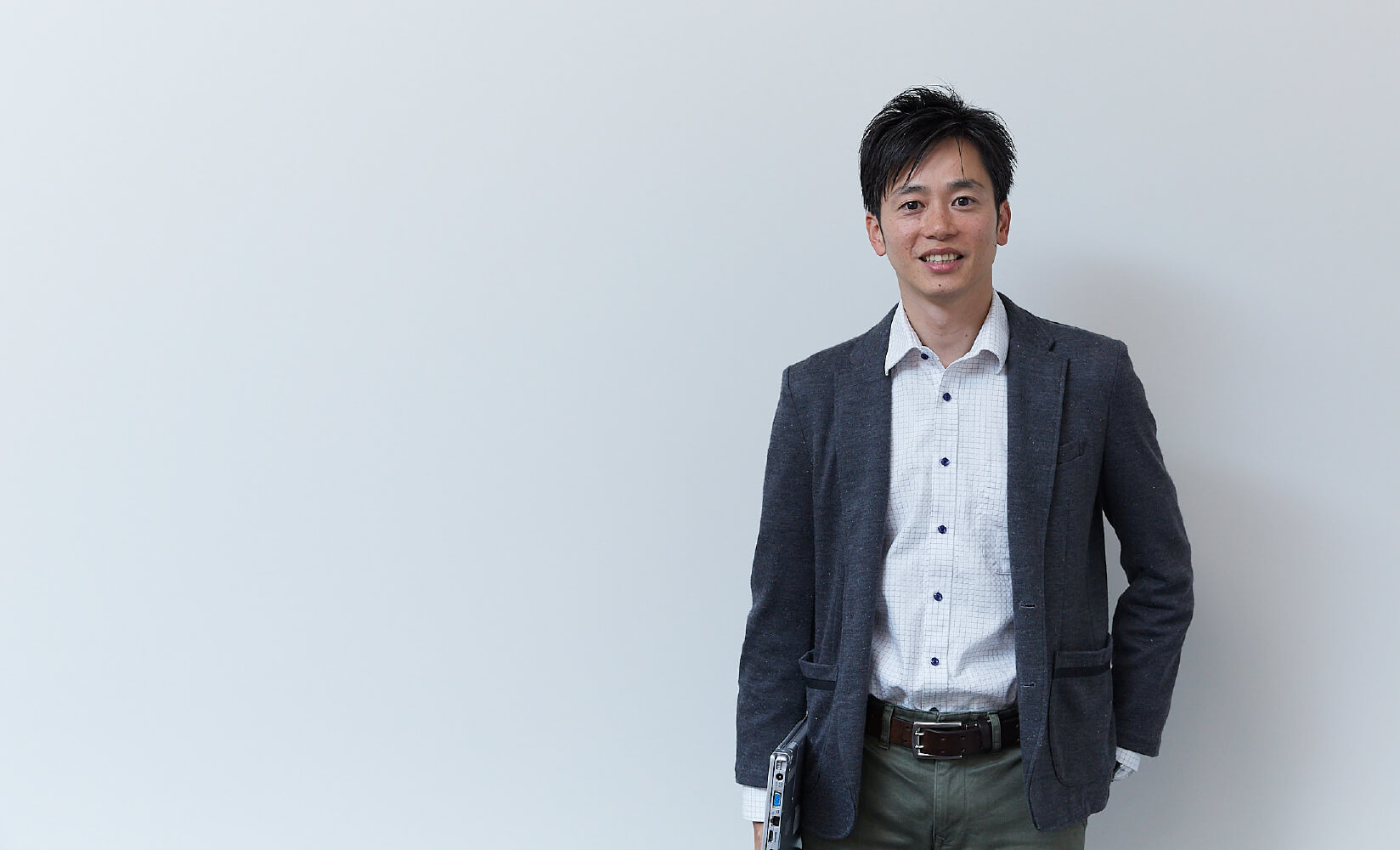
He gives the example of partnering with local communities to create channels for taking in the opinions of patients. Making use of the latest technology to change lifestyle habits might also help to raise the efficacy of drugs. There is even potential to conduct activities to support patients with intractable diseases and their families. ‘I hope to be able to contribute to society in a way that will make people think, “We’re so glad that Japan has Chugai Pharmaceutical.”’
*The contents of this article, and the divisions that the people featured in this article belonged to and the names of those divisions are current as of the time of the interview.
Related Stories
-
Working to Reform the Drug Discovery Process—Acceleration of Drug Discovery Research Using Cryo-EM
Torizawa is general manager of the Protein Science Research Department. He is currently in charge of the early stages of drug discovery to uncover molecules...
- Innovation
- R&D
- Recruitment
- Research
- Cryo-Electron Microscopy
-
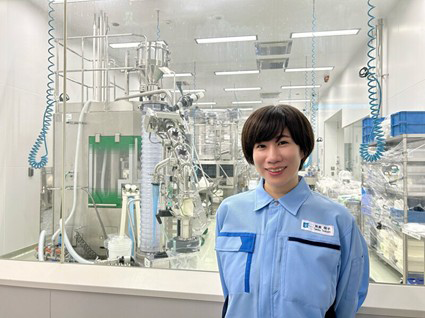
Next-generation pharmaceutical lead by digital technology Taking on innovative drug development with a data-driven approach
The Pharmaceutical Technology Division is in charge of the development process leading to the commercialization of candidate molecules. Within that division,...
- R&D
- DX
- Recruitment
- Research
- Drug Discovery Modalities
- Production Technology
-
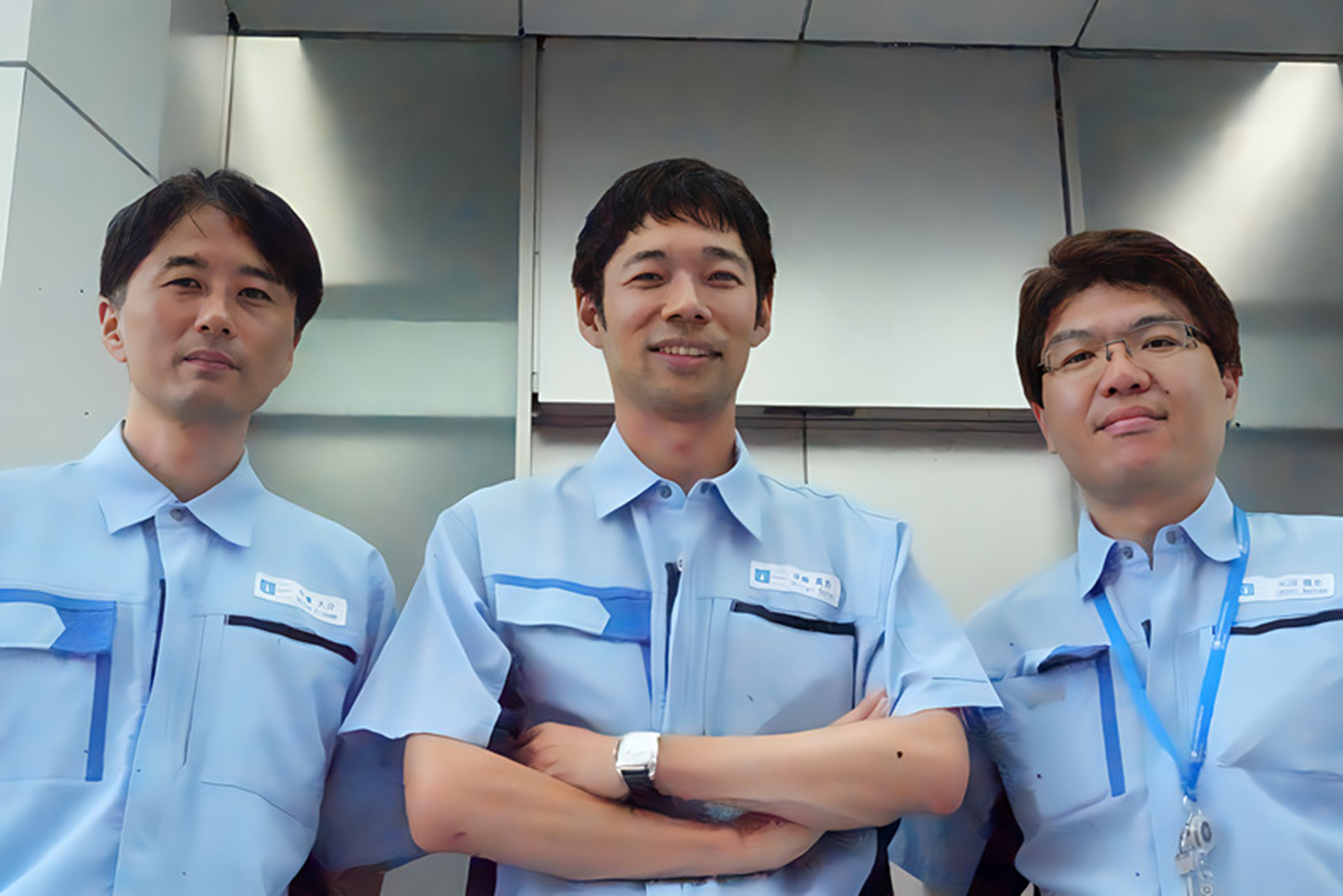
To become a top runner in drug production. Taking on the challenge of innovative drug manufacturing with next-generation manufacturing facilities
Chugai Pharmaceutical’s bio drug substance (DS) manufacturing facility “UK4,” which contributes to the realization of sustainable global...
- R&D
- Recruitment
- Sustainability
- Supply Chain Management
- Drug Discovery Modalities