
Someone who challenges new modality research for future drugs at a young age
- Recruitment
- Research
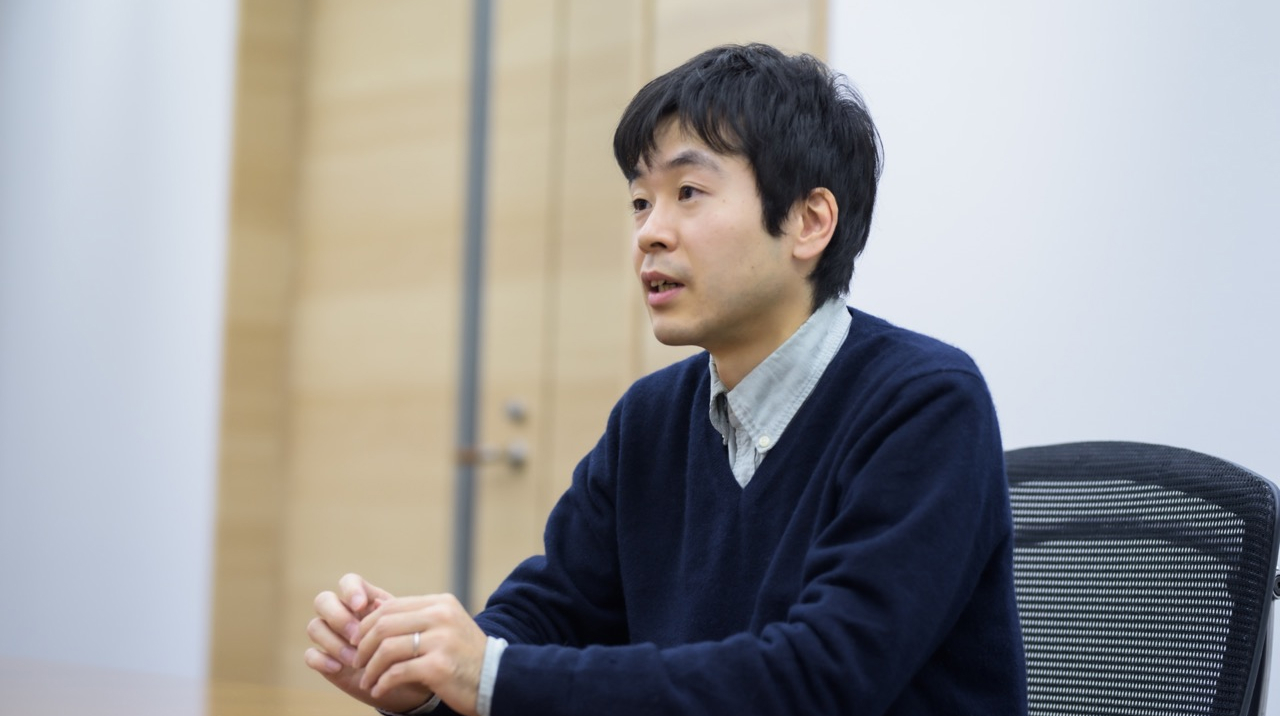


Filed patent applications for novel antibody techniques one after another in three years since joining the company
After joining the company, Suzuki was assigned to his department of choice, the department in charge of drug discovery research of bio-drugs, where he worked on the acquisition of lead antibodies, which are the seeds of new drugs. ‘In my first three years, I worked on the development of fundamental technologies for the acquisition of lead antibodies and on the development of novel antibody techniques. I was able to achieve results from an early stage, and filed several patent applications for the development of novel antibody techniques in particular. Because this is such an advanced field and there are no precedents, even within the company, even junior researchers like me, who are new to the company, are allowed to engage in research and development that makes use of the knowledge and techniques we have gained at graduate school. Chugai Pharmaceutical is a company that encourages such challenges. It allowed me to venture into unexplored territory myself from my first year, which gave me extra motivation.’
Assigned to a first-of-its-kind project for Chugai Pharmaceutical
Besides the acquisition of lead antibodies, another project that Suzuki has been working on simultaneously since joining the company is research into new modalities (drug discovery technology development and concept planning) that will come after small-molecule drugs, bio-drugs, and mid-sized molecule drugs. ‘My department has a scheme that allows researchers to freely spend some of their work hours on their own medium-to-long term research. I carried on my research for new modalities under this scheme. In my fourth year at the company, there was an organizational restructuring, which resulted in my research and development gradually shifting to a full-scale project, and I was put in charge as project leader.’ While Suzuki was excited that he had been entrusted with a major role as a junior researcher, he also had concerns about whether he would be up to the task. ‘This project involves joint research with universities, so I need to have discussions at arm’s length with professors who are authorities in this field. I felt a lot of pressure at the beginning.’
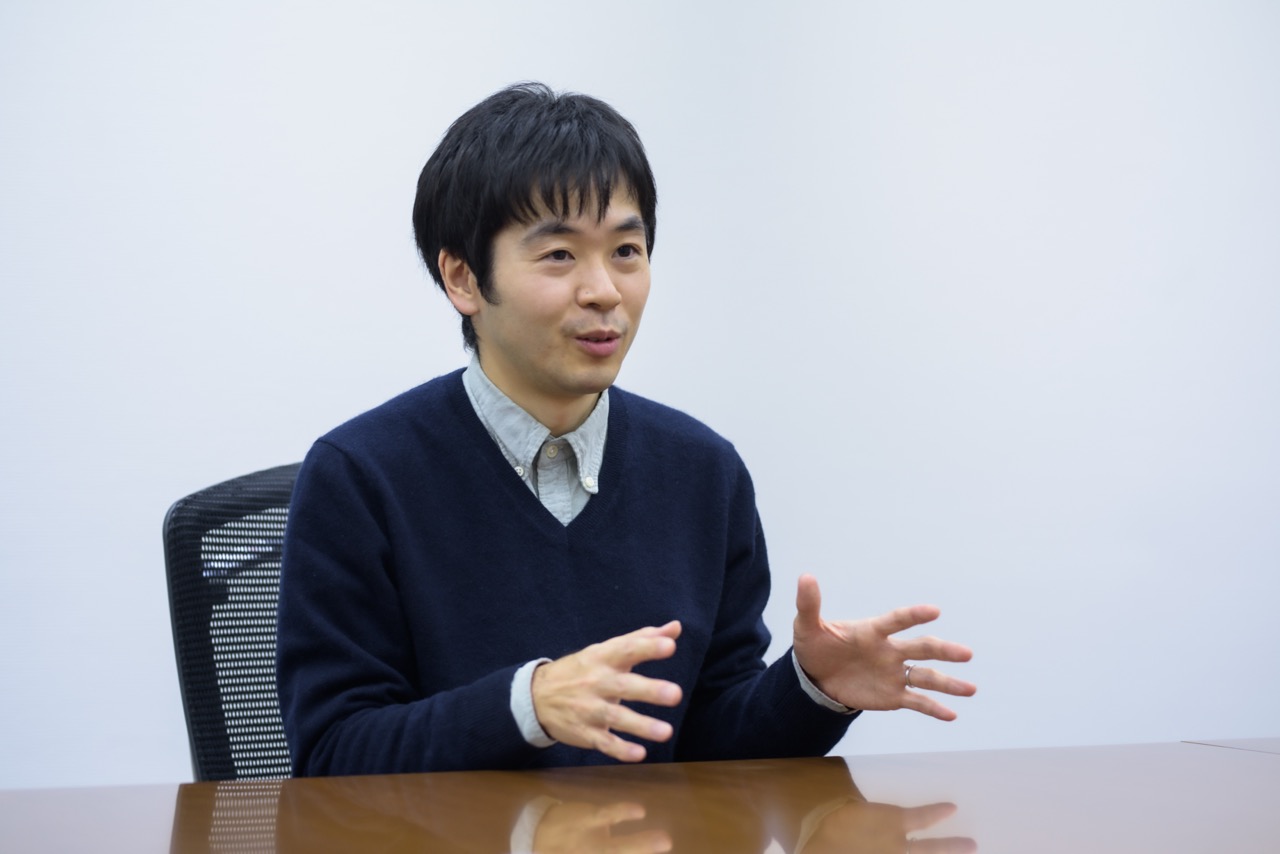
The modality on which Suzuki is working is also the first challenge of its kind for Chugai Pharmaceutical, so there is no model to follow in the company. Suzuki works very hard on discussions with outside experts to come up with new insights, and moves the project forward based on the outcomes of those discussions. ‘We are proceeding with research and development with cell-specific modality as our target, and we are gradually seeing some results. We have reached the stage where we will file a patent application for the results that we have achieved together with our joint research partners. The team started with just a few members, but it has become progressively bigger as new members have come on board one after another over the past few years. Now that I have a sense that the project is proceeding toward its goal in a visible way, I am finding it extremely rewarding.’
To be of a greater help for many patients from a management perspective in the future
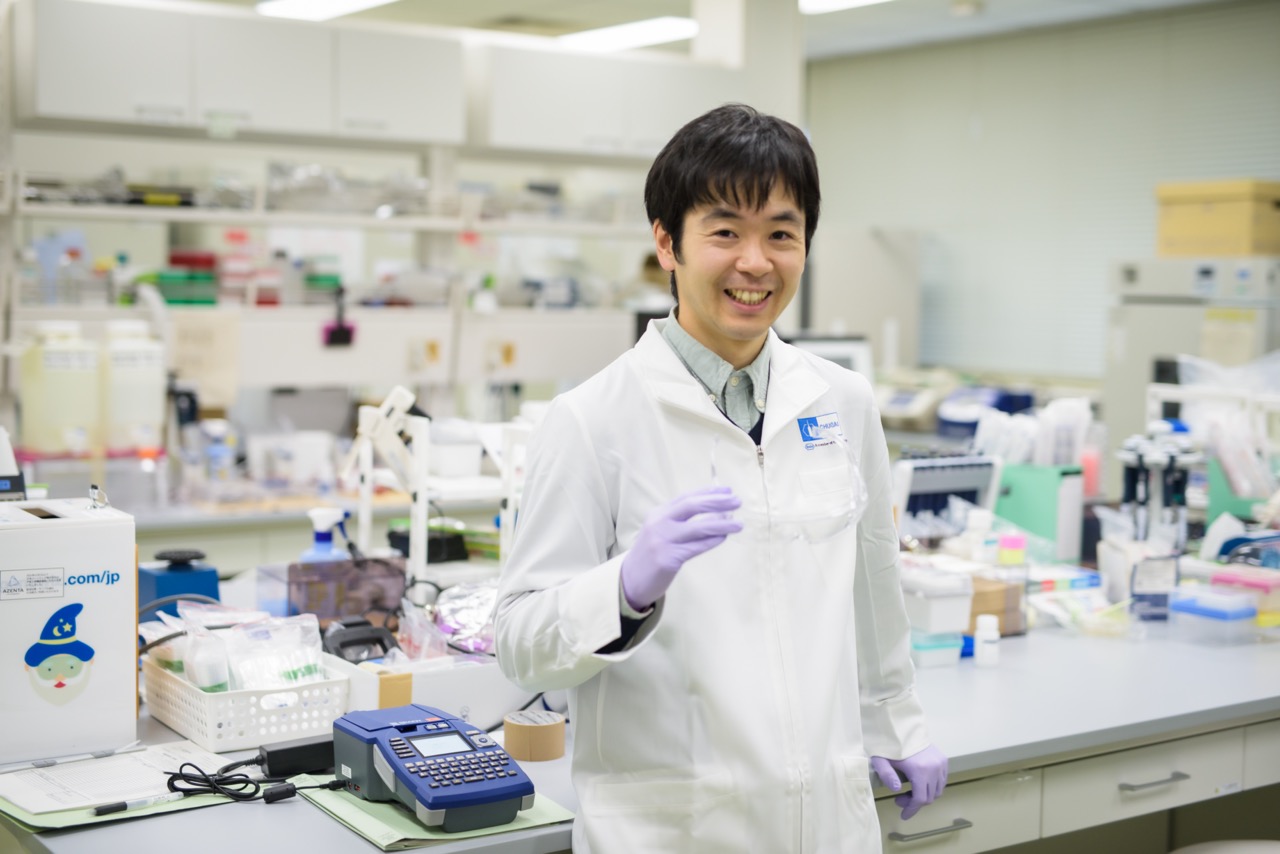
Suzuki says that Chugai Pharmaceutical’s drug discovery function will be consolidated into a new major research laboratory in Yokohama, which will allow them take on challenges for R&D activities at an even higher level in the future. Suzuki is enthusiastic about stepping beyond the realms of researcher and becoming involved in the management of Chugai Pharmaceutical in the medium to long term. ‘I have always been interested in business, and, if given the chance, I would love to obtain an MBA. I want to be entrusted with a position of planning strategies for what kind of competitive advantage Chugai Pharmaceutical should build for the future, making use of my background in drug discovery research. I want to become a person who can help many more patients from a management perspective through such work.’
*The contents of this article, and the divisions that the people featured in this article belonged to and the names of those divisions are current as of the time of the interview.
Related Stories
-
Working to Reform the Drug Discovery Process—Acceleration of Drug Discovery Research Using Cryo-EM
Torizawa is general manager of the Protein Science Research Department. He is currently in charge of the early stages of drug discovery to uncover molecules...
- Innovation
- R&D
- Recruitment
- Research
- Cryo-Electron Microscopy
-
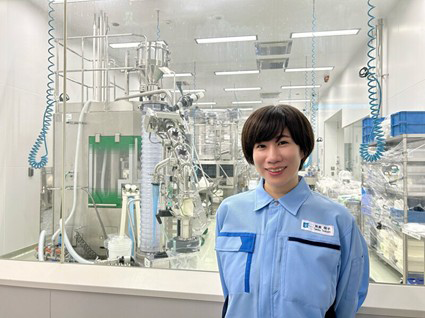
Next-generation pharmaceutical lead by digital technology Taking on innovative drug development with a data-driven approach
The Pharmaceutical Technology Division is in charge of the development process leading to the commercialization of candidate molecules. Within that division,...
- R&D
- DX
- Recruitment
- Research
- Drug Discovery Modalities
- Production Technology
-
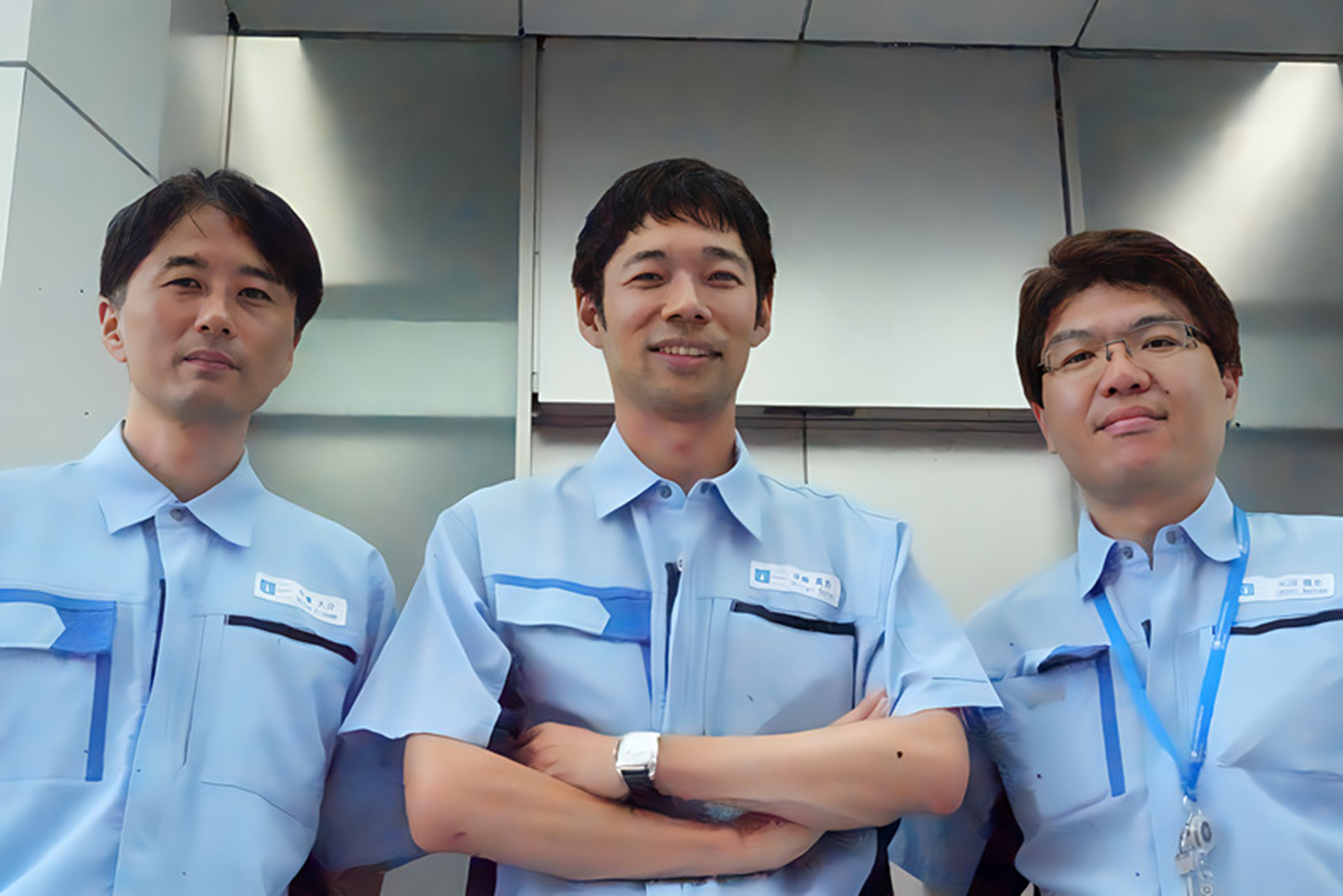
To become a top runner in drug production. Taking on the challenge of innovative drug manufacturing with next-generation manufacturing facilities
Chugai Pharmaceutical’s bio drug substance (DS) manufacturing facility “UK4,” which contributes to the realization of sustainable global...
- R&D
- Recruitment
- Sustainability
- Supply Chain Management
- Drug Discovery Modalities